Berry Chia Parfait with Maple Greek Yogurt and Pistachios: Quick, Low-Sugar, High-Protein Recipe
Introduction
This Healthy Berry Chia Parfait Recipe with Maple Greek Yogurt and Pistachios is a quick and healthy choice. It’s perfect for breakfast or dessert. This parfait layers a fast-setting chia pudding (made with almond or coconut milk). It also includes maple-sweetened Greek yogurt, juicy mixed berries, and crunchy pistachios. It’s low in sugar, high in protein and omega-3s, and can easily be made dairy-free using coconut yogurt.
Create delicious layers with these fresh, simple pantry and fridge staples. Each ingredient helps maximize protein, fiber, healthy fats, and essential nutrients, while keeping sugar low. Make 2 large parfaits, or 3–4 smaller servings.
Chia Pudding Base
Chia seeds – ¼ cup (about 40g)
Unsweetened almond milk or coconut milk – 1 cup (240ml), preferably cold
For creamy, rich pudding, use full-fat canned coconut milk
For a lighter parfait, use unsweetened almond milk
Pure vanilla extract – ½ teaspoon
Maple syrup or agave (optional) – 1 teaspoon
Pinch of sea salt
Maple Greek Yogurt Layer
Plain Greek yogurt – 1 cup (240g)
2% or full-fat recommended for best texture and satiety
Use coconut yogurt for a dairy-free parfait
Pure maple syrup – 1–2 teaspoons (to taste)
Vanilla extract – ¼ teaspoon (optional)
Mixed Berry Layer
Mixed fresh or frozen berries – 1 to 1.5 cups (strawberries, blueberries, raspberries, blackberries)
Use any combination, or stick to your favorites
Crunchy Nut Topping
Raw or roasted pistachios, chopped – 2–3 tablespoons
Extra berries, for garnish (optional)
For add-ins or meal prep:
You add extra seeds (flax, hemp) or a spoonful of granola on top.
For a vegan parfait, swap Greek yogurt for coconut yogurt and sweeten gently with maple or agave.
Here’s how to make a Healthy Berry Chia Parfait with Maple Greek Yogurt and Pistachios. It’s ready in under 2 hours with just 10–15 minutes of hands-on prep.
First: Quick-Set Chia Pudding
Mix the chia pudding: In a medium bowl, combine ¼ cup chia seeds with 1 cup almond or coconut milk. Add ½ teaspoon vanilla and 1 teaspoon maple syrup (if using). Finally, include a pinch of salt. Whisk or stir well, making sure no seeds clump or stick to the sides.
Let seeds start: Let the mix sit for 3–5 minutes, then stir again to prevent clumping. For a quick set, use chilled milk or milk at room temperature.
Fast-setting tip: If you want pudding in 20–30 minutes, use hot (not boiling) milk. Pour half of the hot milk over the seeds. Let it rest for 2 minutes. Then add the remaining cold milk, vanilla, and sweetener. Mix thoroughly, then let thicken at room temperature or chill for 30–60 minutes. Stir again to guarantee a creamy, even texture.
Check consistency: Chia pudding is ready when it looks thick and gelled, similar to tapioca pudding. If too runny, add 1–2 teaspoons more chia seeds and chill for 10–15 minutes.
Next: Maple Greek Yogurt Layer
Sweeten the yogurt: In a small bowl, stir together the 1 cup Greek yogurt with 1–2 teaspoons maple syrup. Add ¼ teaspoon vanilla. Taste for sweetness and adjust as needed. For dairy-free, swap in coconut yogurt and sweeten lightly.
Then: Prepare Berries & Pistachios
Wash and slice berries: Pat dry. If using strawberries, slice into thin rounds. Leave blueberries, raspberries, and blackberries whole unless very large.
Chop pistachios: Coarsely chop shelled pistachios for crunch and a pop of color.
And Finally: Assemble the Parfaits
Layer your parfait glasses or jars:
Spoon a layer of chia pudding (about 2 tablespoons) into the bottom of each glass or jar.
Add a layer of the maple Greek yogurt (about 2–3 tablespoons).
Top with a layer of mixed berries.
Sprinkle a teaspoon of chopped pistachios.
Repeat layers (pudding, yogurt, berries, pistachios) until jars are nearly full.
Finish with extra berries and more pistachios on top for color and crunch.
Optional: For advance meal prep
Layer ingredients in jars and store covered up to 2–3 days. Add pistachios just before serving for the crunchiest result.
Serve chilled: Best enjoyed cold as a breakfast, snack, or light dessert.
This Healthy Berry Chia Parfait with Maple Greek Yogurt and Pistachios is built for health and satisfying taste. Here’s why each layer benefits your body, plus an overview of the key nutrients.
Enjoy your Healthy Berry Chia Parfait with Maple Greek Yogurt and Pistachios as a nourishing breakfast. It serves as a protein-rich snack or an elegant dessert!
Welcome to the ultimate deep dive into 2025 wellness trends. Discover what’s trending in health and wellness. What’s hot and what’s not? Find out what actually works in healthy living this year.
If you’ve started your morning Googling the latest in digital detoxes, you’re definitely not alone.
Have you felt FOMO after seeing a friend post about some eco-friendly retreat in the woods? You’re not alone in that either. The global wellness market is bigger, broader, and more dynamic than ever.
It’s clocking in at an estimated $6.87 trillion for 2025 and still accelerating.
The 2025 wellness trends focus on personalization, sustainability, and a sharper emphasis on mental fitness and practical self-care.
With every new micro-practice or adaptogen blend, a question arises: Which trends genuinely make an impact?
Let’s unpack the evidence, the culture, and the real results.
The global wellness market is bigger, broader, and more dynamic than ever—clocking in at an estimated $6.87 trillion for 2025 and still accelerating. The 2025 wellness trends are all about personalization, sustainability, and a sharper focus on both mental fitness and practical self-care.
With every new micro-practice or adaptogen blend, the same old question arises. Which trends genuinely make an impact? Which should you move on from?
Let’s start with the big picture. The global state of health wellness industry in 2025 feels almost unfathomably vast and consumer-driven. The global market is valued at $6.87 trillion this year. It is expected to reach nearly $11 trillion by 2034. North America is leading in spending. Asia-Pacific is catching up fast. Consumer spending on wellness products and services trends has surged. The definition has expanded to include mental health support, sleep, social connection, appearance, and sustainability. These are now considered alongside classic fitness and nutrition.
What’s fueling this boom? Several intersecting engines:
Rising health awareness. People now see wellbeing as a proactive, lifelong pursuit—moving far beyond just “not being sick.”
Innovation and accessibility. Tech-enabled solutions, like AI-powered apps and wearables, keep lowering the barriers to entry. They make self-care more personal. These solutions let people experiment with their wellness routines like never before.
Demographic shifts. Millennials and gen z account for over 41% of annual wellness spending. This is a higher-than-ever proportion of the total. Their approach tends to be daily, holistic, and data-driven.
Sustainability. Younger and older consumers now deliberate about carbon footprints on retreats. They also consider regenerative agriculture when picking protein powder.
Personalization, inclusivity, and sustainability are changing what counts as “wellness.” This year, anyone selling a one-size-fits-all answer is missing the point—and the market.
If there’s one 2025 wellness trend that’s moved from the margins to the mainstream, it’s mental fitness. We’re not just talking about managing mental illness anymore—but cultivating brain health, resilience, and emotional clarity as everyday goals.
Longevity for the Brain. More companies, therapists, and consumers are embracing a new perspective. They believe brain health is central to quality of life throughout the lifespan.
At the World Economic Forum in Davos this year, brain health took center stage as a public health crisis. It was also depicted as an economic emergency. Estimates suggest cognitive disorders cost the global economy $5 trillion annually.
Remember when “digital detox” sounded like a quirky spa offering? In 2025, unplugging is a foundational part of current wellness trends.
The average person is seeking strategies to reclaim their attention and improve their mood amidst constant connectivity.
Resistance training for cognitive performance. New research shows that resistance training, like weightlifting or bodyweight exercises, supports muscle health in midlife. It also supports bone health beyond midlife. It also sharpens cognition and improves mood. Additionally, it helps reduce dementia risk.
Holistic wellness environments. The leading wellness trends companies are deliberately blending physical fitness. Think yoga, cardio, and stretching. They combine these with mindfulness and social connection. This fosters lifelong “behavioral nudges” toward positive mental health.
Microbiome and mental health research. The gut-brain connection is going granular, too. Studies now tie certain types of gut bacteria to mood, impulse control, and even aggression. This is making tailored probiotics and microbiota-based treatments the next wave in mental wellness for some audiences.
The social mind and connection. 2025’s emphasis on combating loneliness has only intensified. New forms of group therapy, “third space” social clubs, and shared rituals like forest bathing or sauna boost subjective wellbeing. These are proven to be on par with income, if not more.
Apps and platforms are also moving from “diagnose and treat” to “train and improve.” Brain training apps have become more sophisticated. They blend AI personalization, real-time cognitive tracking, and adaptive programs. These are suitable for everyone from students to seniors.
Some studies note that real-world transfer from brain games is limited. Still, the best tools—like NeuroTracker, Happify, and Headspace—integrate elements like mindfulness. They also incorporate movement to produce genuine, broad cognitive gains.
It’s important to note that some forms of wellness improvement can become an obsession. This extreme is known as orthorexia. This topic is covered in detail below.
Remember when “digital detox” sounded like a quirky spa offering? In 2025, unplugging is a foundational part of current wellness trends. The average person is seeking strategies to reclaim their attention. They are also looking to improve their mood amidst constant connectivity.
The digital detox revolution now includes:
Digital minimalism. This movement emphasizes more than just deleting social media. It encourages intentionally reducing digital “noise.” It also promotes opting out of attention-stealing apps and notifications. The goal is to spend meaningful time both on and off screens, with more focus and less anxiety.
Phone-free zones and time blocks. More people are creating device-free morning hours. They are establishing screen-free bedrooms. Additionally, they set times when phones are out of reach (not just muted). This, and others listed here, are among some of the most successful wellness trends.
Scheduled resets. Scheduled resets can be a 24–48 hour digital sabbatical. They can also be brief “microbreaks” hourly at work. These intentional pauses are linked to lower stress. They lead to a better mood and improved social connection.
Using tech to fight tech. Ironically, some of the best digital detox tools are apps themselves. Apps like Calm, Headspace, and Woebot offer guided mindfulness. They offer sleep stories or CBT-based support for unplugging and recovering from digital fatigue. The key is setting intentional boundaries—not just replacing Instagram doom-scrolling with meditation app doom-scrolling.
School and workplace digital hygiene. Institutions are joining the movement. They are embedding screen boundaries and structured outdoor activities. Moreover, they are introducing “email-free Fridays” into their cultures to reduce burnout and cognitive overload.
Luxury digital detox retreats
On the luxury end of wellness trends, digital detox retreats have become a lucrative business. These retreats range from minimalist mountain hideaways to high-end wellness resorts in Bali or New Zealand. These programs lock away your devices. They offer nature therapy and mindfulness. They also foster in-person connection. This concept is so popular that some retreats are booked solid months in advance.
On the luxury end of wellness trends, digital detox retreats have become a lucrative business. These retreats offer nature therapy and mindfulness.
They are designed to foster in-person connection, locking away devices for a true escape.
Nature-based practices like shinrin-yoku (forest bathing) increase these benefits. Simple walks in the park help recalibrate both mind and body.
What to watch out for: Screen avoidance alone isn’t a cure for digital burnout. Staying off devices only helps if time is replaced with positive, meaningful activities. Offline connection is also necessary.
In an always-busy culture, the rise of micro-practices is the most quietly revolutionary of 2025 wellness trends. Instead of relying on hour-long yoga sessions or elaborate routines, try these tiny habits. Think of activities like taking three deep breaths, stretching for a minute, or jotting down a moment of gratitude. They are designed for everyone, everywhere—no special tools or extra willpower required.
Key features:
Accessibility. Micro-practices fit into the “space between sips of coffee,” before a meeting starts, or during a stressful moment at work. They’re wellness trends that are easy to repeat and need little to no setup or special skill.
Incremental power. A growing body of research finds that tiny shifts, repeated throughout the day, can reduce stress. These shifts improve focus. They also build emotional resilience over time.
Trending platforms. Apps like Headspace and Calm integrate guided micro-practices. Health systems, corporate wellness programs, and even schools are promoting these short resets as both performance and mental wellness boosters.
Examples of 2025’s most popular micro-practices:
Emotion naming: When overwhelmed, pause and name the specific emotion you feel (nervous? frustrated?). This taps the brakes on stress reactivity.
Deep breathing: Slow, intentional breaths help regulate the fight-or-flight response and lower cortisol.
S.T.O.P.: Stop, Take a breath, Notice your current state, and Continue with intention.
Humming: Self-soothing via the vagus nerve to relax both body and mind.
Mini gratitude moments: Jot down a quick “thankful for” list over morning coffee.
Staring at a wall: Simple “destimulation” to give your brain quiet time without screens or data.
Movement snacks: Stand, sway, or stretch for 60 seconds between tasks.
These practices aren’t magic bullets. But, taken together, they add up. They reduce overall anxiety, build resilience, and break cycles of stress before they spiral.
Sleep is center stage in the 2025 wellness trends conversation. The wellness world now sees rest differently. Deep, restorative sleep is recognized as a pillar for everything—from mental clarity to immune role, mood, and lifespan.
The big trends in sleep hygiene for 2025:
Sleep anxiety and orthosomnia. Obsession with perfect sleep is fueled by trackers, social media, or wellness culture. It is actually pushing many to lose sleep over not sleeping well enough. This is especially true for younger adults. This vicious cycle is known as “orthosomnia.” It is tackled by a growing focus on mindful sleep. Mindful sleep prioritizes relaxation over perfection. Approaches like CBT-I (cognitive behavioral therapy for insomnia) are also used.
Smart sleep technology. Forget basic tracking—AI can now adjust your bedroom’s climate, lighting, and even sound in real time. New consumer devices capture biometric data as you sleep. Examples include SleepCoachAI, Eight Sleep’s Pod, or tracking rings. They offer customized improvement insights and automatic adjustments for temperature and comfort. Wellness trends are often the source of new techniques and devices.
Sleep tourism and wellness travel. Increasing numbers of hotels and resorts are “selling sleep”—from black-out rooms to sleep concierges and in-room guided meditations. Premium properties like Sensei, Six Senses, and Carillon Miami Beach offer biometric technology. They also supply circadian lighting and holistic relaxation programs.
The “sleep divorce.” Separate sleeping arrangements for couples are on the rise, framed as a way to support rest (not disrupt intimacy). About 35% of American couples have tried this. New research suggests that flexible sleep arrangements can support relationship satisfaction. This is true as long as choice and communication are priorities.
Evidence-based tools that actually help:
Mindful sleep hygiene involves several practices. Shut off tech an hour before bed. Wind down with gentle routines. Cognitive behavioral approaches have the strongest evidence for improving rest and reducing insomnia.
Nutrition for sleep: Diets rich in magnesium, tryptophan, and antioxidants are increasingly prioritized by health professionals. This consideration is not just about avoiding caffeine or sugar.
Still, a word of caution: More data isn’t always better. Sleep trackers, when used obsessively or without context, can create new anxieties and disrupt sleep further.
Walk down any wellness trends aisle or scroll social feeds, and “adaptogen” is everywhere. In 2025, the adaptogen supplements and functional food market is exploding, projected to reach $12–$13 billion this year alone. And while adaptogens are ancient in origin (think ashwagandha, ginseng, rhodiola), modern science is only just catching up.
Market drivers:
Stress relief that feels “natural.” Modern life is stressful, urgent, and unpredictable—driving millions toward adaptogens as drugstore “chill pills” or stress antidotes.
Holistic marketing and influencer culture. Adaptogens are packaged as everything from anti-anxiety to immune-boosting to beauty-enhancing—sometimes with more hype than evidence.
Science and skepticism. Recent clinical studies now show real impacts of certain adaptogens. The impacts are modest. These effects are obvious especially in ashwagandha and rhodiola on stress hormone reduction, sleep, and anxiety. Ashwagandha, for example, is linked to decreased cortisol and improved sleep quality in several gold-standard clinical trials.
Trends to know:
Form innovation. Beyond teas and pills, adaptogens now in protein bars, powders, energy drinks, and even beauty supplements.
Organic and clean label. As consumers scrutinize sourcing, organic and chemical-free adaptogens command premium prices and loyal followings.
AI-powered research and personalization. Supplement giants and startups alike are using AI to better understand which adaptogens work for whom. They are also determining which blends are best for stress, sleep, or focus.
Functional beverage surge. Adaptogen drinks are one of the hottest trends. They are especially popular among Gen Z and Millennials. These drinks offer a gentle energy boost without the jitters.
What actually works? In 2025, evidence shows that ashwagandha, rhodiola, and reishi all have some clinical validation. They are validated for stress, focus, and immune role. Effects are real but often mild. Importantly, not all claims are supported by rigorous evidence. Buyer beware still applies when it comes to unregulated blends. Look for third-party testing and verify ingredient transparency.
The 2025 wellness trends point to a world in motion: bigger, smarter, and more democratized than ever before.
Personalization and sustainability are fundamental, not fringe. Mental fitness and sleep have taken their rightful seat alongside classic nutrition and movement.
Adaptogens and AI-assisted routines bring exciting promise. Nonetheless, the most effective practices are often the simplest. These include taking a mindful breath. You share a meal with friends. Spend an hour off your phone. Or, take a walk in the woods.
Food is culture, food is identity, and in 2025, food is also activism. Sustainable eating isn’t just a buzzword—it’s an established priority for health-conscious consumers globally.
Key features of the movement:
Plant-Based 2.0. Gone are the days of bland veggie burgers. This year, hybrid proteins dominate for both taste and sustainability. These proteins blend plant, algae, or mycoproteins with small amounts of animal or lab-grown proteins. Demand for plant-focused proteins is surging across all continents.
Regenerative agriculture and zero-waste cooking. The most passionate segment of wellness eaters focuses on more than just organic foods. They are dedicated to regenerative foods. These are grown to restore soil, support biodiversity, and leave the land better than before. Zero-waste kitchen hacks, upcycled packaging, and using every scrap (from stalks to peels) are the new normal.
Fermentation and the microbiome. Fermented foods, from kimchi to kombucha and oat-based yogurts, are trending for their flavor. They also offer gut health benefits. This trend builds on the global respect for the gut-brain axis.
Personalized nutrition via AI. Wearables and smart apps now offer meal plans powered by AI. These plans are tailored to your gut, metabolism, and sleep patterns. They nudge you toward better choices based on your body’s feedback.
Clean label and transparency. More buyers demand to know the how, where, and why of their food. Clean-label ingredients, ethical sourcing, and traceable supply chains are now competitive advantages.
Why this matters: Sustainable eating is linked to better individual health. It is also connected with a lower environmental footprint. This connection is made ever more explicit by brands and advocates. Eating for the planet is officially trending. In 2025, even value shoppers are willing to pay more for sustainable options.
Wellness travel isn’t just about luxury spas anymore. In 2025, retreats focus on sustainability, community, and personalization. They emphasize meaningful disconnection from tech, the urban grind, and even from your regular “self”.
Core characteristics of 2025’s eco-friendly retreats:
Off-grid and eco-conscious. The hottest destinations focus on locally powered campuses. From Bali to New Zealand to the Swiss Alps, they are carbon-neutral or even regenerative. These retreats run on solar or hydro, invest in biodiversity, and serve locally sourced, plant-based meals.
Digital detox by design. Many retreats need you to “check” your phone at the entrance. Others have phone-free zones as a core part of their offer.
Nature immersion. Forest bathing, hiking, grounding, and water-centric wellness (lakes, rivers, or ocean) are paired with mindfulness and movement.
Community and intergenerational healing. Modern retreats focus on group experiences, shared rituals, and connections across ages and backgrounds. Family- and community-based models are gaining steam, with collaborative wellness activities like group yoga or art therapy.
Cultural and culinary integration. From Ayurvedic to shamanic rituals and cooking local foods, the best retreats blend old-world healing with modern comfort and inclusivity.
Why are these trending? Global wellness travelers hunger for both environmental sustainability and genuine connection—to self, to others, and to the planet. Resorts that blend these values with luxury, meaning, and evidence-based health benefits are leading the way in 2025.
Wellness moves fast. What’s hot one year is often not the next. (Looking at you, charcoal cleanses and celery juice diets.) In 2025, several trends are fading or falling under scrutiny:
Extreme diets and detoxes. From “juice cleanses” to “biohacker fasting,” most extreme resets are being replaced with balanced, realistic approaches to nutrition. This is because deprivation leads to stress and rebound. Additionally, science simply doesn’t back the benefits claimed by many drastic cleanses.
Orthorexia and wellness anxiety. Obsessively tracking your sleep, food, or steps is officially being criticized. Letting tech-induced “failures” wreck your day is now considered counterproductive. Orthosomnia (sleep tracker–induced insomnia) is a real phenomenon. Experts warn that wellness should free you. It should not become a new source of guilt or failure.
Miracle supplements and unverified products. The supplement industry remains lightly regulated and unfortunately, many products on the market do not deliver the effects promised. Science- or doctor-backed products, full ingredient transparency, and third-party tested claims are non-negotiable for the discerning 2025 consumer.
Always-on productivity culture. Hustle culture is fading, replaced by intentional breaks, boundary-setting, and flexible hybrid work. Wellness in 2025 is about cultivating a sustainable pace, not endless “improvement”.
Quick-fix weight loss drugs as lifestyle. While medications like GLP-1s have a place, they are not the sole solution. Medical wellness professionals warn that real, sustainable health depends on broader habits. These habits include nutrition, sleep, movement, and connection, not just pills or shots.
With science and skepticism both at all-time highs, 2025 wellness trends are being filtered through a strong lens of evidence. Here’s what’s proven to work:
Mindfulness interventions (meditation, breathwork, body scans): These interventions are consistently shown to reduce stress. They improve mood and boost mental resilience. This is true for people with and without clinical mental health conditions.
Cognitive behavioral therapy (CBT and CBT-I): Stay gold standards for addressing depression, anxiety, insomnia, and behavior change.
Physical activity and resistance training: Alongside cardiovascular and functional movement, strength work is repeatedly shown to improve mental health. It boosts physical health. This improvement includes enhanced fitness, better mood, and even cognitive clarity well into old age.
Nature immersion (forest bathing, gardening, nature walks): Robust evidence links time in nature to reduced cortisol. It also leads to better immune regulation. Additionally, there is sharper cognition and deeper sleep.
Micro-practices and gratitude: Small, frequent interventions (journaling, breathwork, gratitude) compound over time for meaningful emotional health benefits.
Sleep hygiene practices: A consistent routine is far more effective for most people. Reduced blue light contributes significantly. Mindful sleep cues also play a crucial role. Gadgets or exotic supplements are less effective.
Tech, biohacks, and new adaptogens are promising. Trends like AI-powered sleep or nutrition coaching are also promising. Yet, they serve only as supplements to the tried-and-true blockbusters above.
Wellness doesn’t exist in a vacuum. The 2025 wellness trends make sense against a backdrop of ongoing social and economic uncertainty, accelerated climate awareness, and demographic shifts:
Gen Z and Millennials are reshaping wellness. Younger generations see wellness as a holistic, daily pursuit rather than an occasional indulgence. They demand personalization, equity, and evidence.
Cultural diversity in wellness is rising. Regional customs are being celebrated worldwide. These include Japan’s “hara hachi bu” mindful eating, Mediterranean social meals, and African dance and market walking. They are also being adopted and sometimes adapted globally.
Spending and growth stay robust. Even during economic downturns, wellness spending has proven resilient—especially in categories tied to self-care, mental health, and prevention.
Corporate and institutional change. Workplaces and schools are integrating wellness into policy, not just as perks. Top-down support for breaks, mental health, and digital hygiene is now best practice, not “soft extras”.
Innovation, inclusivity, and sustainability as values. Wellness in 2025 focuses on personalized solutions. It includes climate-resilient travel and trauma-informed healing. These aim to help the individual, the community, and the world. No one is left behind.
The 2025 wellness trends scene is crowded, but a few names are setting the pace:
Wellness investors and incubators: Dozens of venture funds are now targeting mental health and digital wellness. They are also focusing on sleep technology and holistic health platforms. These investments are aimed at both consumer and employer markets.
Headspace and Calm: Digital leaders in mindfulness, branching into sleep, digital detox, and even corporate mental health.
Eight Sleep: AI-powered smart beds and sleep improvement for consumers and elite athletes.
CorePower Yoga: Integrating mental health, mindfulness, and social activism into fitness culture.
Momentous and Lifesum: Personalization-first supplement and nutrition startups using biomarker data and science-backed products.
Function Health: Direct-to-consumer preventive health with deep testing and data-driven insights.
Retreat innovators: Aro Ha in New Zealand is at the forefront of this change. The Green Escape in Bali is also leading it. Another leader is Song Saa Private Island in Cambodia. They are creating a new travel experience. They marry luxury, eco-sustainability, and wellness. Travel is evolving for a new era.
Startups like Wild.AI: Bridging gaps in women’s health by personalizing fitness and wellness support across life cycles featuring menstrual tracking.
SportsArt: Turning gyms into power plants with energy-harvesting eco-fitness equipment.
Hot trends this year focus on personalization. They emphasize prevention. Holistic health targets mind, body, and community. Real results are rooted in evidence.
What’s fading? Rigid rules, quick fixes, overhyped supplements, and anything that tips from care into obsession. As always, real wellness is as much about presence and kindness as it is about data or “hacks.”
Hot trends this year focus on personalization. They emphasize prevention. Holistic health targets mind, body, and community. Real results are rooted in evidence. What’s fading? Rigid rules, quick fixes, overhyped supplements, and anything that tips from care into obsession. As always, real wellness is as much about presence and kindness as it is about data or “hacks.”
The best advice? Let curiosity guide you. Ask for evidence. Remember that what really works is often simple and feels like a return home to your best self.
Delicious and Healthy Korean BBQ Lettuce Wraps Recipe
Healthy, bold, and easy enough for a weeknight win
Introduction
Korean BBQ Lettuce Wraps are one of my favorite ways to eat clean without feeling like I’m missing out. The truth is, Korean BBQ Lettuce Wraps pack flavor, texture, and freshness into every bite. They’re fast, fun, and full of nutrients.
Plus, they’re easy to personalize for meat lovers and vegetarians alike.
Korean BBQ is fast, flavorful, and interactive. Korean BBQ features thin slices of marinated beef, pork, or chicken, grilled quickly over open flames. This is unlike traditional American BBQ, which uses slow-cooked meats and smoky sauces.
The meat is often cooked tableside, letting diners control the heat and timing. Korean BBQ marinades use soy sauce, garlic, sesame oil, and pear juice for a sweet-savory balance.
American BBQ leans on dry rubs and bold sauces like vinegar or mustard blends. Korean BBQ is served with banchan—small side dishes like kimchi, pickled radish, and seasoned greens. It’s a social meal, built for sharing and variety.
Popular cuts include bulgogi (fire meat), galbi (short ribs), and samgyeopsal (pork belly). Korean BBQ is lighter and fresher, often paired with lettuce wraps. This combination makes it perfect for wellness-focused meals like these Korean BBQ Lettuce Wraps.
Korean BBQ Lettuce Wraps are light but satisfying. They’re great for lunch, dinner, or even party platters. Because they use crisp lettuce instead of bread, they’re gluten-free and low-carb.
Even better, the bold BBQ flavor makes them feel indulgent.
You can make Korean BBQ Lettuce Wraps with beef, chicken, tofu, or mushrooms. The sauce is the star.
It’s sweet, salty, and a little spicy. And yes, it’s easy to make at home.
Natural Labels in Food Marketing: What You Should Know
Natural Labels in Food Marketing: What You Should Know
Introduction
Natural Labels in Food Marketing: An Overview
The Truth About “Natural” Labels in Food Marketing is like the broccoli of grocery store conversations. Everybody sees it. Most people assume it’s good for them. Few really know what’s inside. Every time you enter a supermarket, snack bars, yogurt tubs, and chip bags greet you. They scream “natural” at full volume. If you’re health-conscious, you feel drawn to these products. You also want to avoid scary chemicals that sound like supervillains. After all, who doesn’t want to believe that their favorite cookie is as wholesome as a farmer’s market apple? Natural Labels in Food Marketing heavily influence purchasing decisions based on these emotional connections. Natural Labels in Food Marketing are essential for understanding consumer choices.
But here’s the kicker: The Truth About “Natural” Labels in Food Marketing is much murkier than it seems. Even if you’re the type who eats kale for breakfast, these labels can mislead even the most dedicated wellness warriors. In fact, many “natural” labels are about as meaningful as telling your personal trainer you “thought about” running a marathon. So, let’s peel back the package and see what’s inside.
Natural Labels in Food Marketing continue to evolve, impacting how consumers perceive food products. The widespread use of these labels pushes brands to create more appealing marketing strategies focused on a healthier image.
Let’s kick things off with The Truth About “Natural” Labels in Food Marketing. Most shoppers think “natural” means healthy or wholesome. They imagine it is made by someone’s grandma stirring a pot in a sunny kitchen. The reality, though, is about as comforting as a kale smoothie gone wrong.
Define “Natural”
In the United States, there isn’t a single, legally binding definition of “natural” for most foods. That’s right—the term “natural” is about as clearly defined as “comfortable shoes” or “good hair day.” The Food and Drug Administration (FDA) oversees much of what’s on grocery store shelves. It doesn’t have an official definition for the term “natural.” They say it means nothing artificial or synthetic is included. This sounds nice. Then, you realize that’s where the standards stop.
Now, the U.S. Department of Agriculture (USDA) does step in for certain foods like meat, poultry, and eggs. For these products, “natural” means no artificial ingredients or added colors, and only minimal processing, like cutting or grinding. Nonetheless, this still doesn’t cover how the animals were raised. It does not tackle whether antibiotics or hormones were used. The feed also is genetically modified. In short, “natural” chicken can still lead a life more high-tech than most smartphones.
So, The Truth About “Natural” Labels in Food Marketing is simple but disappointing. The label usually means “free of synthetic stuff, probably.” It does not mean “healthier,” “organic,” or even “good for you.” It’s like being told the dog at the shelter is “mostly house-trained.” There are no guarantees it won’t mess up your rug
It’s time to talk about why food companies love The Truth About “Natural” Labels in Food Marketing. They love it almost as much as finding new ways to make kale chips taste like sadness. Using “natural” on packaging has become a golden ticket to shopper trust and bigger profits. Yet, it is about as trustworthy as a used car ad that says “runs great.”
Consumer’s Beliefs (or What They Want to Believe)
Consumers see the word “natural” and automatically assume the food is free from anything artificial. They believe it is untouched by chemicals or genetic engineering. They also imagine it is produced by happy farmers on sunny fields. And who can blame us? We all want our breakfast cereal to come from somewhere nice, not a mysterious factory in the middle of nowhere.
As a result, shoppers are willing to pay more for products labeled as “natural.” This is the case even if those products contain plenty of processed ingredients. They also have preservatives or genetically modified organisms (GMOs). In 2018, foods with a “natural” label made up over 16% of retail food spending in the United States. This is more than certified organic products! This is a clear sign. The word “natural” packs serious marketing muscle. It does so without actually having to flex any regulatory standards.
The “Health Halo” Effect
Food companies know this better than anyone. They carefully choose label language to trigger your wish for wellness and safety. This “health halo” effect—where one good-sounding word makes everything else seem beneficial—often overrides common sense. If you see “natural” on a granola bar, you forget to notice. It’s sprinkled with more sugar than a donut shop on a Monday.
The Truth About “Natural” Labels in Food Marketing isn’t just a mystery; it’s often a full-on illusion. Let’s look at what these labels do—and don’t—guarantee.
What “Natural” Labels Do Not Mean
Not Organic. “Natural” is not the same as “organic.” Organic foods have strict standards for how they’re grown, processed, and packaged. This includes no synthetic pesticides, no GMOs, and animal welfare practices. “Natural” foods have no such requirements.
Not Guaranteed Healthy. The word “natural” doesn’t mean the food is low in sugar, fat, sodium, or calories. A “natural” cookie can have as much sugar and as many calories as its artificially flavored cousin.
Not Pesticide-Free. Neither the FDA nor the USDA requires foods labeled “natural” to be free from chemical pesticides or fertilizers. The ingredients have been grown using techniques that would not look out of place in a chemistry lab.
Not GMO-Free. Unless the label specifically states “Non-GMO,” foods labeled “natural” can include genetically modified ingredients. In fact, many products with a “natural” label use genetically engineered corn, soy, or canola.
Not Better for the Environment nor Humane. “Natural” doesn’t mean the food was produced using sustainable, eco-friendly, or humane techniques. A “natural” steak or chicken breast comes from a factory farm. The farm have no outdoor access. It also lack animal welfare practices.
This gap exists between what “natural” sounds like and what it actually means. This is why so many shoppers are confused. They are often duped.
The Cost of Confusion
As it turns out, The Truth About “Natural” Labels in Food Marketing is expensive. People often assume that a “natural” label means more than it does. As a result, they are willing to pay a premium for it. Studies show that consumers will pay significantly more for meat, cereals, snacks, and even vitamins labeled “natural.” This occurs even if these products offer no extra health benefits. There is no extra environmental advantage over conventional options.
Understanding Natural Labels in Food Marketing is crucial for consumers to navigate their options effectively. Being aware of what these labels entail helps consumers make informed decisions.
Does this sound like the food industry’s greatest trick? Absolutely.
The implications of Natural Labels in Food Marketing extend beyond what appears on the packaging; they influence consumer choices and perceptions.
Spotting Misleading “Natural” Claims
At this point, you be wondering, “If ‘natural’ doesn’t mean much, can brands just slap it on anything?” The answer is – unfortunately -pretty much.
How Companies Get Away with It
There’s No Strict Definition. The lack of a strict, enforceable definition from the FDA makes “natural” one of the wobbliest terms on the shelf.
Minimal Oversight on Most Packaged Foods. The FDA’s policy is informal and leaves plenty of wiggle room. Unless a product is using color additives or specific synthetic ingredients, almost anything can be called “natural.”
Companies Play Fast and Loose. Some foods labeled “natural” include ingredients you’d never find in your backyard. They include “natural flavors” which can be processed using solvents, acids, or enzymes. Additionally, there are sweeteners made through industrial fermentation.
Legal Loopholes Make It Last. Big brands have faced lawsuits for using “natural” claims misleadingly, but most have settled quietly. Courts rarely force any major overhaul. Companies usually only tweak their labels. They add tiny disclaimers that you’d need a microscope to read.
Sneaky Examples From Real Products
“All Natural” Granola Bars: Many are full of added sugars, oils, and preservatives. Some contain GMOs and ingredients processed far from anything you’d find in a field.
“Natural” Bottled Teas: Some contain more added sweeteners than a can of soda. They also include “natural” flavors that have little to do with actual tea leaves.
“Made with Natural Ingredients” Peanut Butter: The main ingredients be nuts. But, many brands add palm oil, added sugars, or hydrogenated fats. This happens even though the label says “natural”.
“Natural Fruit Snacks”: It sounds like you’re just buying fruit, but many are mostly corn syrup, artificial coloring, and gelatin.
The pattern is clear: brands use “natural” to imply simplicity and wholesomeness, even if the ingredients list says otherwise.
As you explore products, consider how Natural Labels in Food Marketing reflect marketing strategies that play on consumer feelings.
The good news? You don’t need a chemistry degree—or a magnifying glass—to avoid falling for these tricks. The Truth About “Natural” Labels in Food Marketing is that you can outsmart it. You only need a little knowledge and attention.
Simple Steps for the Savvy Shopper
Ignore the Big Words on the Front. The front of the package is marketing, plain and simple. Companies know you’ll reach for the “natural” bag of chips without checking the fine print. Instead, turn the package over and keep reading.
Check the Ingredients List. Ingredients are listed in order of quantity. If sugar, refined flour, or mysterious “natural flavors” are early, think twice. Ingredients should be recognizable and as simple as possible.
Watch for Additives and Preservatives. “Natural” products often still contain long lists of preservatives. These include coloring agents and stabilizers. Some of them sound like rejected spelling bee words.
Look for Official Certifications. If you want products that follow real rules, seek out USDA Organic, Non-GMO Project Verified, or similar labels. These have actual definitions, inspections, and meaningful requirements.
Read Serving Sizes Carefully. Sometimes what looks like a healthy “60 calories” is actually per half-cookie. Many foods use small serving sizes to hide lots of sugar, salt, or fat.
Beware of “Natural” Flavors. “Natural flavor” is a catchy term. It can include a cocktail of processed substances. It’s not just a squeeze of lime from someone’s garden.
Research the Brand. If you’re still unsure, quickly search the brand’s reputation. Checking product recalls can also reveal more about what they really stand for.
Watch for Disclaimers. Sometimes, after the bold “100% Natural” claim, a tiny sentence appears. It will say “except for added preservatives” or “except for this one very unnatural thing.” If you aren’t reading closely, you can be fooled.
Compare Products. Check a few competing brands. If the “natural” chips have a longer ingredients list than the regular, it’s a red flag.
Use Trusted Resources. Consumer and advocacy groups often release lists of misleading claims. They also offer product reviews, so you don’t have to do all the detective work alone.
Awareness of Natural Labels in Food Marketing helps consumers navigate the grocery store and make healthier choices.
Natural Labels in Food Marketing often mislead consumers, so being educated is crucial.
By adopting these steps, you can cut through the marketing chatter and find products that actually match your wellness goals.
Understanding “Natural” in Food Marketing: The Emotional Side
The Truth About “Natural” Labels in Food Marketing isn’t just about ingredients. It’s about how these labels make you feel. Marketers excel in creating a “health halo” effect. This feel-good glow makes you want to add a product to your cart before you even taste it.
For many shoppers, “natural” equals “safe,” “healthy,” and even “better for the planet.” The word taps into a wish for simplicity in a world growing more complicated by the day. We want our food to bring us back to basics—even if it’s just microwavable popcorn.
Unfortunately, this emotional connection is part of the problem. Studies show that people routinely overestimate the benefits of “natural” foods. They assume these products have fewer calories, less sugar, and more health perks than they really do. This trust leads to overconsumption of foods. These foods are not much different from the alternatives. The only differences are the price tag and the marketing badge.
It’s great to seek out fresh, real ingredients. Still, it’s important to remember not to let the “natural” glow deceive you. It’s akin to falling for someone just because they have a great smile.
Natural Labels in Food Marketing can also evoke trust and connection with consumers, making it essential to approach them with a critical eye.
Decoding Synonyms for The Truth About “Natural” Labels in Food Marketing
Don’t let the marketing dictionary confuse you! “Natural” can often in many costumes. Here are some of the most common synonyms and label tricks:
“All Natural” or “100% Natural”: Sounds extra pure, but regulations are no stricter. Anyone can use the phrase.
“Made with Natural Ingredients”: Usually signals at least one natural part. The rest of the product? Anything goes.
“Naturally Flavored”: This label indicates that something was extracted from a plant, fruit, or animal. It doesn’t guarantee how or if it’s healthy.
“Pure”: Another emotional word without legal meaning, often used to distract from the processing steps.
“Farm Fresh,” “Simple,” and “Wholesome”: These make you feel nostalgic, but they have no agreed definition. Your grandmother’s cookies have been wholesome, but she probably didn’t put bioengineered corn syrup in them.
“Nature Similar”: This one honestly be science fiction. It sounds reassuring but refer to synthetics designed to mimic something found in nature.
Learning about Natural Labels in Food Marketing can empower consumers to make better choices.
Watch out for scenic photos, eco-friendly colors, and words like “clean,” “real,” and “authentic.” They’re often picked for how they make you feel, not what they guarantee you’ll eat.
The Truth About “Natural” Labels in Food Marketing leads many buyers on a wild goose chase for health. Companies know that if there’s even a hint of wellness in the air, shoppers will rush in. They’ll have yoga mats and reusable bags in hand.
When it comes to wellness, don’t take the label at face value. Think like a food detective:
First, always flip the product over and read everything.
Next, scrutinize the ingredient list for surprises.
Ultimately, remember that food marketing is about making products stand out, not about your well-being.
If in doubt:
Choose fresh fruits and vegetables, which are naturally natural (say that five times fast).
Buy plain grains, beans, or simple nuts, and do the mixing at home.
When you do buy packaged foods, look for official seals and keep the ingredient list short and familiar.
The healthiest foods usually aren’t found wrapped in buzzwords or posing in woodsy photo shoots on the box.
In the end, understanding Natural Labels in Food Marketing enables consumers to distinguish between marketing and reality.
Spotting Common Misleading “Natural” Claims in Food Marketing
It’s one thing to know that “natural” doesn’t mean what you think, but let’s get specific. Here are some favorite food industry tricks:
“Natural” Yogurt: Has added sugar, thickeners, and artificial flavors, but sells itself as a health food.
“Natural” Chips or Snacks: Often deep-fried in processed vegetable oils and still loaded with salt and preservatives.
“Natural” Flavored Waters: Comes with “natural” sweeteners, artificial acidulants, and colors. These ingredients hide beneath a label that looks like it was drawn by woodland creatures.
Nut Butters Labeled “Natural”: Some “natural” peanut butters and similar spreads pack in palm oil, added sugar, and stabilizers.
Vegetable Chips: The “natural” snack you want to believe is as healthy as celery. But, many are full of oil, salt, sweeteners, and “natural” flavors.
“Natural” Breakfast Cereals: Sometimes they are more like dessert than actual food. The colorful box and farm-friendly branding make you believe otherwise.
The Facts About “Natural” Food Labels: Regulation and Reform
The Truth About “Natural” Labels in Food Marketing isn’t just a source of jokes and frustration. It has sparked demands for better regulation and more honest communication.
Does the FDA have a legal definition for the word natural on food labels?
Citizen petitions to the FDA and USDA have demanded a real, enforceable definition of “natural.” Class-action lawsuits and endless studies have also demanded this. The FDA gathered thousands of public comments back in 2016 but has yet to set official rules. In the meantime, “natural” lives on as marketing’s favorite wild card.
The bottom line: Until rules change, shoppers need sharp eyes and sharper wits.
It’s easy to get swept up in The Truth About “Natural” Labels in Food Marketing. After all, we all want foods that are wholesome, healthy, and easy to trust. Sadly, most “natural” claims aren’t much more than wishful thinking with a fancy label.
To recap:
“Natural” labels are mostly marketing, not a guarantee of quality or safety.
There are no strict U.S. rules for what “natural” means—except in meat and eggs, and even then, it’s limited.
Companies love to emphasize the “natural” angle. They hope you’ll pay more for products that aren’t more nutritious or less processed.
To outsmart misleading claims, read the ingredient list, look for official certifications, and ignore empty buzzwords.
The best “natural” foods are often those without a label—just fruits, veggies, grains, and plain nuts.
Next time you find a food with a forest on the packaging, note the “natural” claim. It be as tall as a redwood. Remember this. Real wellness lives on the back of the box—not on the front. Now go forth, shop smart, and don’t let a sneaky label steal your vitality.
Organic Trade Association – Label Definitions: https://ota.com
Don’t just live, Thrive!
As you navigate the aisles, remember that Natural Labels in Food Marketing play a significant role in shaping your choices.
Ultimately, the choice to trust Natural Labels in Food Marketing should be informed by knowledge and scrutiny.
With a deeper understanding of Natural Labels in Food Marketing, consumers can better navigate the complexities of food labeling.
Natural Labels in Food Marketing play a significant role in influencing buying behavior. Marketers utilize these labels to connect with health-conscious consumers.
Awareness of Natural Labels in Food Marketing is essential. It empowers consumers to question the authenticity of claims made by food producers.
Natural Labels in Food Marketing can mislead consumers, making education on this topic vital. Understanding these labels helps consumers avoid pitfalls in their shopping choices.
With the rise of Natural Labels in Food Marketing, consumers must remain vigilant. Knowing the truth behind these claims allows for healthier choices.
Ultimately, Natural Labels in Food Marketing shape consumer understanding and decision-making processes in food choices.
A bright and zesty Mediterranean chicken dish with tender lemon-marinated meat, wholesome ingredients, and endless one-pot flavor combinations. Tuscan Lemon Chicken checks the boxes and you’re body will be happy.
Tuscan Lemon Chicken is a colorful, easy recipe that brings the flavors of Italy to your table in no time. Right from the first bite, Tuscan Lemon Chicken fills your kitchen with the scent of fresh citrus, herbs, and garlic. This classic meal is juicy, tangy, and packed with flavor. Above all, it is made in a way that keeps the steps simple and the ingredient list short.
Tuscan Lemon Chicken isn’t just about taste. It’s also about ease and health. This meal is ready in less than an hour with only a little prep and cleanup. The bright lemon blends with tender chicken and rosemary for a dish. It wins raves whether you serve it on a weeknight or for friends. Best of all, Tuscan Lemon Chicken suits nearly every cooking method. You can use it with classic grills. It works with family-friendly ovens and even stovetop pans. You can serve it over pasta, with veggies, or next to a crusty piece of good bread.
In this blog recipe, you’ll learn how to make Tuscan Lemon Chicken. You will discover its nutritious benefits. You will also get ideas for sides, swaps, and helpful links. Let’s get started and enjoy a new kitchen favorite together!
1/4 teaspoon red pepper flakes (optional, for a little heat)
Lemon wedges, for serving (optional)
Each ingredient in Tuscan Lemon Chicken has a clear purpose. Chicken thighs make the dish juicy and forgiving. Lemon juice and zest bring tang and freshness. Olive oil helps the marinade soak into the meat. Garlic and rosemary add deep flavor, and the salt and pepper bring everything together. For a twist, you can add red pepper flakes for a touch of spice. Alternatively, swap rosemary for thyme or oregano.
You do not need any special or hard-to-find ingredients for Tuscan Lemon Chicken. For those who prefer chicken breasts, remember to pound them flat before marinating so they cook evenly. This recipe fits easily with the simple Italian motto: fresh, seasonal, and honest food.
Making a great Tuscan Lemon Chicken starts with the marinade. Here’s how to prepare everything step by step.
Make the Marinade: In a large zip-top bag or big bowl, combine lemon zest, lemon juice, and olive oil. Add minced garlic and chopped rosemary. Mix in kosher salt, black pepper, and red pepper flakes (if using).
Prep the Chicken: Pat the chicken dry with paper towels. Add the chicken pieces to the bag or bowl with the marinade.
Coat and Marinate: Seal the bag and gently massage to coat all the chicken evenly. If using a bowl, stir well with clean hands or tongs. Place in the refrigerator to marinate for at least one hour. You can also marinate up to overnight. Flip the chicken halfway through if you remember.
Let the Chicken Rest: Before cooking, take the chicken out of the fridge. Let it rest at room temperature for ten minutes. Do this while you prepare your grill or oven. This helps it cook evenly.
Preparing Tuscan Lemon Chicken in advance lets the flavors blend and makes the chicken moist and tender. If you’re in a rush, marinating for thirty minutes is enough. This time is enough to fill the chicken with bright Italian flavor.
Tuscan Lemon Chicken is versatile. You can cook it on the grill, in a grill pan on the stove, or bake it in the oven. All options are easy.
If Grilling (outdoor grill or grill pan):
Preheat the Grill: Heat your grill to medium-high (about 450°F to 500°F). Clean the grates if needed.
Remove Chicken from Marinade: Let extra marinade drip off.
Place Chicken on Grill: Set the chicken smooth-side down in a single layer, with space in between.
Cook the First Side: Cover the grill. Cook for 4 to 5 minutes—do not move the chicken until you get nice grill marks and it releases easily.
Flip and Finish: Turn the chicken, cover, and cook for another 3 to 5 minutes. Use an instant-read thermometer. The thickest part should reach at least 165°F.
Rest the Chicken: Remove from the grill. Let the Tuscan Lemon Chicken rest for about five minutes before slicing.
If Using the Oven:
Preheat Oven: Heat to 425°F.
Arrange Chicken in Pan: Put chicken in a single layer in a baking dish.
Bake: Cook for about 18 to 20 minutes until the chicken registers 165°F.
(Optional) Broil for Color: If you want a golden top, broil on high for 2–3 minutes after baking.
Rest and Serve: Let sit for 5 minutes before slicing.
Stovetop (cast iron or grill pan):
Heat Pan: Use medium-high heat. Add a little oil if your pan is not nonstick.
Add Chicken: Cook chicken for about 4 to 5 minutes on the first side.
Flip and Cook: Turn and cook for another 3 to 5 minutes until fully cooked through and golden.
For all techniques, serve your Tuscan Lemon Chicken with extra lemon wedges or a sprinkle of chopped fresh herbs. If you have leftovers, keep them in an airtight container in the fridge for up to four days. This lemon chicken recipe is easy to adapt and fits many busy kitchens.
Tuscan Lemon Chicken is not only flavorful—it also brings strong nutritional value to your table. Each serving provides lean protein, bright vitamins, and important minerals, making it a well-rounded choice for lunch or dinner.
Basic Nutrition (per 100g serving, grilled without skin):
Calories: About 190
Protein: 28g
Fat: 8g (about 2g saturated fat)
Carbohydrates: 0g
Sodium: 400mg
Cholesterol: 80mg
Vitamin C (from the lemon): 7mg (8% DV)
Potassium: 250mg (5% DV)
Iron: 1.2mg (6% DV)
Calcium: 20mg (2% DV)
The nutrition profile will change slightly depending on which cut you use. You choose thighs or breast. Skinless breasts are lower in fat and calories than thighs.
Lean Protein: Chicken is a whole protein, which means it holds all the essential amino acids your body needs. Eating enough protein helps build muscle, keeps skin and bones healthy, and gives you lasting energy.
Low in Carbs and Moderate in Fat: Tuscan Lemon Chicken fits well in low-carb diets. This is true when prepared with minimal oil and no breading. It is suitable for gluten-free and even Mediterranean diets.
Source of Vitamins and Minerals: Lemon juice provides a boost of vitamin C. It supports your immune system. It also helps your body absorb iron from food. The olive oil in the marinade has healthy fats and antioxidants.
Heart Health: Both lean chicken and the antioxidants in lemon, especially vitamin C and flavonoids, support heart health. Studies link citrus to lower inflammation and better cholesterol levels.
Bone Strength: Chicken provides phosphorus and some calcium, which help keep bones strong. Some research notes that eating enough protein is linked with higher bone mass. Minerals like those in chicken are especially beneficial for kids and teens.
Immune Support and Repair: The protein in chicken helps with immunity and wound healing. Vitamin C in lemon aids in fighting off illness. Vitamin C also helps with collagen formation, which keeps skin, hair, and joints healthy.
Versatile for Weight Management: Tuscan Lemon Chicken is filling, thanks to its protein, but not heavy. The bright taste can help curb the urge to overeat. The balance of nutrients ensures you get solid nutrition without lots of calories.
8. Supports Digestion: Lemon aids digestion by supporting healthy stomach juices, making your meal feel light and satisfying.
Key Takeaway: If you’re looking for a meal that is light, Tuscan Lemon Chicken is an excellent pick. It is full of natural flavor. It is good for your body and easy enough for cooks of all ages.
Tuscan Lemon Chicken pairs well with a variety of sides. You can choose from light and healthy vegetables. Or opt for hearty pastas or classic Italian breads. Here are some ideas to round out your meal:
Vegetable Sides
Roasted Broccoli: Toss with olive oil and lemon, then roast until golden.
Steamed Asparagus: Simple with salt, pepper, and a drizzle of lemon juice.
Sautéed Green Beans: Try with garlic and a splash of lemon for color and crunch.
Roasted Zucchini or Mixed Veggies: Herbs like rosemary, thyme, or oregano go well.
Spinach or Kale Salad: Top with cherry tomatoes, parmesan, and toasted nuts.
Starchy Sides
Garlic Mashed Potatoes: Creamy mash is always a winner next to lemony chicken.
Polenta: Creamy or grilled polenta adds Italian comfort and pairs well with the sauce.
Rice Pilaf or Quinoa: Adds a nutty flavor and soaks up extra juices.
Fettuccine Alfredo or Buttered Noodles: For a richer meal, serve over pasta.
Salads
Caprese Salad: Slices of fresh tomato, mozzarella, basil, and olive oil.
Panzanella Salad: A Tuscan bread and tomato salad, perfect in summer.
Greek Salad: Cucumbers, red onion, feta, olives, and lemon vinaigrette.
Bread
Crusty Italian Bread or Focaccia: Great for soaking up the marinade.
Garlic Bread or Cheese Toasts: Adds crunch and extra flavor.
These sides bring out the bright, tangy notes in Tuscan Lemon Chicken. They balance out your table, whether you want a lighter lunch or a full Italian feast.
Tuscan Lemon Chicken is a recipe that brings the sun and spirit of Italy. It travels straight to your kitchen even on the busiest night. With just a few basic ingredients, like fresh chicken and bright lemon, it transforms into a dish that is juicy. Using good olive oil and aromatic herbs, it becomes flavorful and satisfying.
This Italian lemon-rosemary chicken checks all the right boxes. It is healthy and easy to make. This dish is flexible for your schedule. It’s loved by both kids and adults. Whether grilled, baked, or cooked on the stovetop, this citrus garlic chicken never fails to impress. It works for family dinners, healthy meal prep, or casual gatherings with friends.
Tuscan Lemon Chicken is packed with lean protein. It holds important nutrients to help you stay strong. These nutrients boost your immune system and make you feel good. Add your favorite sides. Maybe a garden salad, creamy polenta, or fresh bread. With these, you have a meal that’s finished, balanced, and nourishing.
So, next time you need a bright new recipe, try this delicious Tuscan Lemon Chicken. You’ll experience the zest and warmth of the Italian countryside. Each bite is simple and flavorful.
Enjoy every moment in the kitchen, and come back for another easy, healthy dish soon!
External Links: Nutrition Calculator and Further Reading
Looking to check or compare nutrition information for Tuscan Lemon Chicken or adapt the recipe for your own needs? Here are some helpful tools and resources:
Happy Forks Recipe Nutrition Analyzer – Paste your ingredients. You will get a custom breakdown of calories, protein, carbs, fat, vitamins, and minerals.
Seasonal Wellness: Adopting Your Organic Routine for Maximum Vitality Year-Round
Welcome to Seasonal Wellness: Adopting Your Organic Routine for Maximum Vitality Year-Round. This blog will show you practical ways to adjust your nutrition and self-care with the changing seasons—especially fall. You’ll learn how seasonal superfoods support your body. You will discover traditions of eating with nature. You’ll find self-care tips you can use throughout the year. Each section uses short sentences, simple words, and clear transitions for easy reading and action. Let’s get started!
Seasonal Wellness: Adopting Your Organic Routine for Maximum Vitality Year-Round is about matching your habits with nature’s changing cycle. Focus especially on nutrition and self-care. It’s a simple idea. When you eat foods that are in season, your body feels better. Adjust your routines to the weather for enhanced well-being.
For example, in the fall, you need warming and grounding foods because days get shorter and cooler. In summer, cooling foods and lighter meals help you feel your best. Throughout the year, what you eat and how you care for yourself should change with the seasons.
When you adapt your routine to the seasons, you boost your energy, immunity, and mood. You also enjoy meals that taste better and are more nutritious. Most importantly, you feel more in sync with the world around you.
Seasonal Wellness: Adopting Your Organic Routine for Maximum Vitality Year-Round. It is rooted in the idea of eating foods. These foods are harvested in their natural season.
Seasonal foods are fresher. They are picked at peak ripeness, leading to better taste and higher nutrients.
Nutritional value is higher. Many foods lose nutrients the longer they are stored or transported.
Eating seasonally supports your body’s needs. For example, summer fruits hydrate you, and winter roots keep you full and warm.
Seasonal foods can lower your carbon footprint and help local farmers. When you buy locally grown seasonal foods, you cut shipping and support sustainable agriculture.
Eating with the seasons means you focus on what’s growing where you live, when it is ready. When you do this, you not only help your health but also the world around you.
It’s not only about what you eat, but how. Enjoying crispy fall apples is a great way to celebrate autumn. Hearty winter soups can warm and nourish you. Juicy summer berries bring the sweetness of summer into your meals.
To fully gain, align your self-care habits with each season. This helps you adopt your organic routine for maximum vitality year-round. Seasonal Wellness encourages this practice.
Every season affects your energy, mood, and sleep. Light, cold, and weather all affect your health and well-being.
Here’s how you will notice the changes:
In winter, you crave warmth, rest, and cozy routines.
In summer, you feel more social, active, and ready for adventure.
Spring brings more energy and the wish to clean or start new things.
Fall encourages reflection, gratitude, and slow, comforting rituals.
When you listen to your body’s signals and adjust your daily practices, you move with life’s natural flow. This can mean changing your bedtime, exercise, or meals. You also focus more on mental well-being, gratitude, or restful practices in certain seasons.
Fall is the star season for Seasonal Wellness: Adopting Your Organic Routine for Maximum Vitality Year-Round. The weather cools, days become shorter, and the harvest is rich with superfoods.
Why Focus on Fall?
Fall is a time of change and preparation. As the sun sets sooner, your body gears up for winter. You need foods and habits that ground, nourish, and protect your health. Many people feel tired, sluggish, or more prone to colds.
To help your body adjust, focus on:
Warming, hearty meals
Immune-boosting vegetables and fruits
Cozy, restful self-care practices
Reflection and gratitude exercise
Key Nutritional Shifts for Fall
Switch from light summer meals to dishes that are more grounding. Stews, roasted roots, and cooked fruits help keep your energy stable. Fall is full of foods that support your gut, heart, and brain.
Top Fall Superfoods (and What They Do for You)
Below are some essential fall superfoods, each chosen for their unique benefits:
1. Beets
High in fiber and plant nutrients.
Help lower blood pressure and support brain health.
Reduce inflammation in the body.
2. Brussels Sprouts
Packed with vitamins K and C plus fiber.
Support gut health and metabolism.
Linked to lower risk for type 2 diabetes and heart disease.
3. Pumpkin (and Pumpkin Seeds)
High in beta-carotene for immune and skin health.
Pumpkins are rich in vitamin A, C, potassium, and fiber.
Seeds offer protein and healthy fats; support metabolism, reduce inflammation, and help regulate blood sugar.
4. Sweet Potatoes
Loaded with vitamin C, potassium, and beta-carotene.
Support healthy eyes, heart, and immunity.
Give lasting energy and keep you feeling full longer.
5. Kale
Called a “nutritional powerhouse.”
High in calcium, iron, and vitamins A, C, and K.
Supports detox and protects cells from aging.
6. Apples
Full of fiber, vitamin C, and antioxidants.
Linked to lower risk for heart disease and type 2 diabetes.
Cooked apples (as in stews) support digestion and gut health.
7. Pears
High in fiber, vitamin C, and beneficial flavonoids.
Help digestion and are good for gut microbes.
Low in calories and can help regulate blood sugar.
8. Pomegranates
Help keep your gut lining healthy.
Rich in antioxidants for heart and brain health.
Can reduce inflammation and support memory as you age.
9. Cranberries
Loaded with vitamin C and other antioxidants.
Best known for supporting urinary tract health.
Help reduce risk of stomach cancer and ulcers.
10. Dates
Packed with minerals, fiber, and antioxidants.
Support energy, heart, and digestive health.
Try to eat these foods roasted, in soups, or blended into snacks and smoothies. They are not only delicious but will keep you feeling strong, energetic, and balanced all season long.
Seasonal Wellness: Adopting Your Organic Routine for Maximum Vitality Year-Round is not just for fall. Here’s how to build your seasonal eating plan all year:
Seasonal Wellness: Adopting Your Organic Routine for Maximum Vitality Year-Round is not just for fall. Here’s how to build your seasonal eating plan all year:
Many cultures have practiced seasonal eating for centuries. This wisdom is key to Seasonal Wellness: Adopting Your Organic Routine for Maximum Vitality Year-Round.
Lessons from Traditional Diets
Japanese “Shun” Principle: Eat foods at their seasonal best for taste and health.
Scandinavian approaches: Rely on root veggies, preserved foods, and fermented dishes to survive harsh winters.
Native American and Indigenous Wisdom: Wild foods, squashes, and tubers supply key nutrients year-round.
Ayurveda (India): Diet changes with the doshas and seasons. In fall and winter, focus on warming, moist, grounding foods—think soups, roots, and healthy fats.
Traditional Chinese Medicine: Eating with nature keeps your body in tune with the environment. Consume warming foods in cold weather. Opt for cooling foods in heat.
Modern Science Backs Up Tradition
Studies show that foods in season have higher nutrients and are easier for your body to process. Also, eating with the environment lowers stress and supports emotional health.
You don’t need to follow strict rules. Just pay attention to what’s fresh, local, and growing right now. Let your cravings change with the weather.
Seasonal Wellness: Adopting Your Organic Routine for Maximum Vitality Year-Round isn’t only about food. Your daily wellness habits should evolve with the year, too.
Fall Self-Care Focus
Think and show gratitude. Fall is harvest time. Keep a gratitude journal or list your successes.
Embrace coziness. Use throws, candles, and warm drinks to create a comforting home atmosphere.
Go outside. Even as days shorten, short walks in the fresh air support energy and mood.
Focus on sleep. Go to bed earlier as evenings darken.
Enjoy warm baths, meditation, or journaling. All help you manage holiday stress and seasonal transitions.
Self-Care Ideas for Every Season
Winter: Take cozy baths, enjoy hot drinks, rest more. Bundle up, do gentle exercise, and get out in any sun available.
Spring: Focus on renewal—physical decluttering, lighter diets, and outdoor activities. Try gentle movement: walking, cycling, or stretching.
Summer: Stay hydrated, use sunscreen, get active in the cooler parts of the day. Socialize and spend time outdoors.
All Year: Keep a regular sleep schedule, support your skin health, stay active, and engage socially. Adjust routines for heat waves, cold snaps, or changes in light.
Listen to your needs. Some years, you crave more solitude; others, more social time. Check in and choose self-care that works for you right now.
Making the switch to Seasonal Wellness: Adopting Your Organic Routine for Maximum Vitality Year-Round doesn’t need to be hard. Here are steps and tips for beginners and seasoned wellness fans:
Shop Local. Visit farmer’s markets or stores that label seasonal produce. Ask growers what’s best right now.
Cook simply. A roasted tray of vegetables, a fruit salad, or a pot of soup can be easy and delicious.
Batch-cook and freeze. Prepare and freeze meals using seasonal ingredients to save time and money later.
Preserve and enjoy. Learn basics of canning, freezing, or drying to savor seasonal flavors all year.
Grow your own. Even a windowsill herb garden can help you eat fresh and be more connected to nature.
Start a seasonal self-care ritual. Try lighting a candle, switching up skincare, or keeping a seasonal gratitude journal.
Track your mood and energy. Notice how changes in weather make you feel. Adjust habits to support your health.
Get family or friends involved. Cooking together or going to a market turns healthy habits into fun traditions.
Stay flexible. Your needs can change! It’s okay if your routine adapts each year.
By building these rituals, soon you’ll look ahead to each new season and what it brings.
Seasonal Wellness: Adopting Your Organic Routine for Maximum Vitality Year-Round is about living with nature’s calendar. Eating local, seasonal superfoods at their peak keeps your meals nourishing and delicious. Self-care routines that shift with the weather help you thrive in body, mind, and mood. Throughout every season, choosing fresh foods helps you feel better. Adapting your habits can help you stay healthy. These changes allow you to connect more deeply to the world around you.
Make the simple switch. Do it one meal, one walk, or one cozy evening at a time. Enjoy maximum vitality every month of the year.
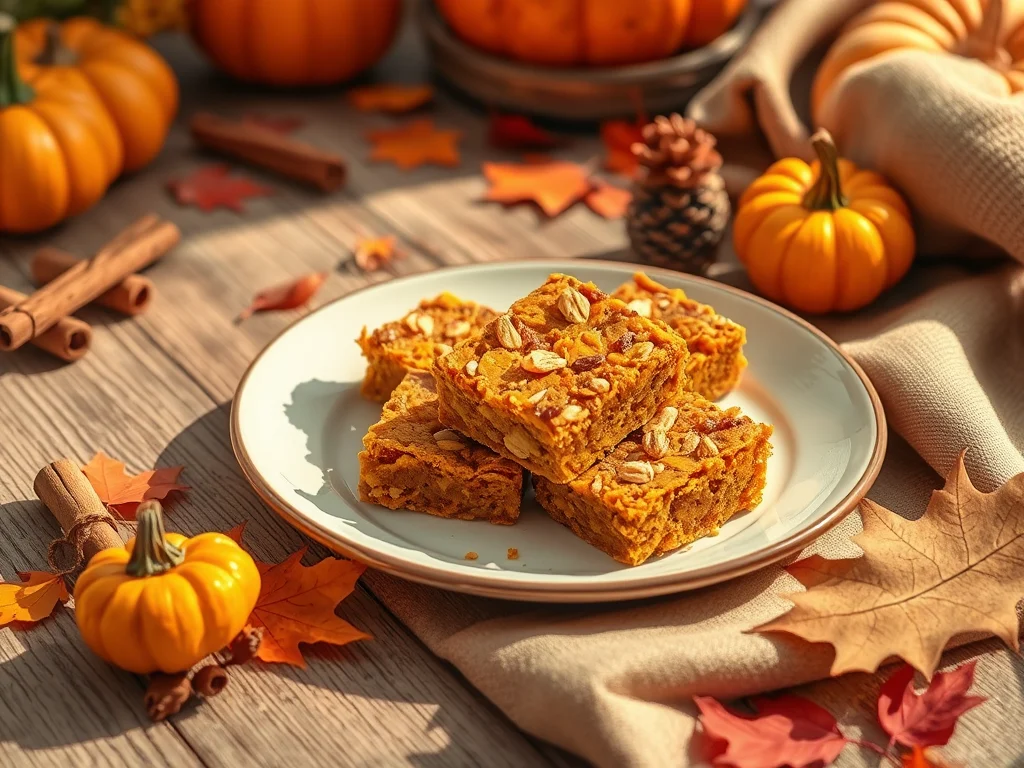
Introduction: Celebrating Fall with Healthy Pumpkin Bars
Fall is all about comfort, warmth, and the delicious taste of pumpkin desserts. Every year, as leaves turn and cooler weather returns, the search for autumn treats begins. This healthy pumpkin bars recipe lets you enjoy those classic fall flavors in a wholesome way. These bars use smart ingredient swaps for a nourishing, moist, and flavorful treat. Not only are they easy to make, but they are also perfect for breakfast, snacks, or dessert. The best part? You get the iconic taste of spiced pumpkin, but with fewer calories and more nutrients than traditional bars. If you’re looking to make a better choice this season, these healthy pumpkin bars are ready for your table.
Pumpkin desserts have deep roots in American kitchens, especially during fall harvest festivals. Early American settlers often relied on pumpkins as both a staple food and as an ingredient for sweet treats. Colonists made pumpkin pies with simple, rustic techniques using local crops. Over time, pumpkin desserts evolved, becoming central to Thanksgiving celebrations and autumn meals.
Pumpkin was originally grown by Native Americans for thousands of years. It made its way into colonial society as a symbol of the harvest. Today, pumpkins symbolize fall itself. Pumpkin pie, quick breads, cookies, and bars are everywhere as soon as the air turns crisp. These dishes not only recall tradition but also bring a sense of comfort and festivity to kitchens everywhere.
Modern pumpkin treats go beyond pies. Now you’ll find muffins, cookies, lattes, and bars. Each treat brings cinnamon, nutmeg, and ginger to the table. Healthy pumpkin bars are just the latest in a long line of these time-honored comfort foods. With every bite, you taste fall history. This fits today’s want for nourishing and practical desserts.
Healthy pumpkin bars are more than just a sweet snack. They blend the beloved flavors of pumpkin and spice with smart nutrition. Instead of refined flour and white sugar, this recipe uses whole wheat or alternative flours. It also swaps refined sugar for pure maple syrup or honey. Each bar is moist, packed with vitamin-rich pumpkin puree, and has extra protein from Greek yogurt or nut butters. The result is a treat that both kids and adults love. It is perfect for lunchboxes, snack time, or as an after-dinner comfort food.
Many traditional bars are loaded with sugar and fat. Healthy versions keep the cozy pumpkin taste but use fewer processed ingredients. Eating better doesn’t mean missing out on the joys of fall baking. You can have both flavor and nutrition in every slice.
Ingredient Substitutions for Healthier Pumpkin Bars
Healthy pumpkin bars succeed when you swap standard ingredients for better ones:
Natural Sweeteners: Replace white or brown sugar with pure maple syrup, honey, or coconut sugar. These add moisture and a subtle sweetness without refined sugars.
Pumpkin Puree: Always use 100% pure pumpkin (not pumpkin pie filling). The natural puree is high in vitamin A and fiber.
Greek Yogurt or Nut Butter: Use plain Greek yogurt for extra moisture and protein. For a dairy-free alternative, substitute almond or cashew butter. Both add creaminess without needing oil or butter.
Milk Options: Use almond, oat, or regular dairy milk. Plant milks lower calories and keep the bars light.
Eggs or Flax Eggs: Add eggs to bind the bars. For a vegan recipe, replace each egg with one “flax egg.” Mix 1 tablespoon ground flaxseed with 3 tablespoons water. Let it sit for a few minutes.
Oil: Use only a tablespoon or two of coconut oil or skip it entirely in some recipes. The pumpkin, applesauce, and yogurt cover the moistness you need.
Spices: Choose pumpkin pie spice, cinnamon, nutmeg, and ginger. Homemade pumpkin pie spice is easy using those four ingredients.
Each of these ingredients was selected to maximize nutrition while keeping the bars tender and packed with flavor. You can adjust the sweetener to taste or add a handful of chopped pecans for crunch. Leaving out the chocolate chips lowers sugar even more, but keeps the bars equally delicious.
Preheat your oven. Set it to 350°F (175°C). Line an 8×8 or 9×9 inch square pan with parchment paper or use light cooking spray.
Mix dry ingredients. In a large bowl, stir together the whole wheat flour and almond flour. Add baking powder, baking soda, pumpkin pie spice, cinnamon, and salt to the mixture.
Whisk wet ingredients. In a medium bowl, mix pumpkin puree, Greek yogurt (or almond butter), and applesauce. Stir in eggs (or flax eggs), maple syrup, coconut oil, and vanilla extract. Mix until smooth.
Combine mixtures. Pour the wet ingredients into the dry bowl. Gently stir until just blended. Do not overmix.
Add extras. If using, fold in chocolate chips or chopped nuts now.
Pour and spread. Pour the batter into your lined pan. Use a spatula to smooth the top.
Bake. Place in the oven and bake for 28–32 minutes. The bars are done when a toothpick comes out clean or with a few crumbs.
Cool. Let the bars cool in the pan on a wire rack for at least 30 minutes.
Prepare the frosting. For optional frosting, beat the cream cheese, maple syrup, and vanilla with a hand mixer until smooth and fluffy. Thin with milk if needed.
Frost and serve. Once the bars are cool, spread the frosting over the top. Cut into squares and enjoy.
If you refrigerate the bars, the flavor deepens and the texture becomes even better. Store them in an airtight container in the fridge for up to 5 days, or freeze for longer.
These numbers can vary depending on exact ingredients and serving size. These are good for most healthy diets. They are low in saturated fat, sugar, and calories. They are high in nutrients from pumpkin and whole grains.
Healthy pumpkin bars deliver cozy fall flavor and smart nutrition together. With simple ingredients and easy steps, anyone can bake these bars. By using wholesome flours, natural sweeteners, and smart add-ins, you get a snack that feels indulgent yet supports your healthy habits.
Whether you’re a home baker or a content creator, these healthy pumpkin bars will become your new seasonal staple. Their rich color, gentle spice, and moist crumb remind you of autumn’s best days—without any of the guilt or heaviness of old-fashioned recipes.
Top 5 Healthy Nuts for Snacking: Nutrition & Benefits
In today’s post, we’ll explore the world of healthy snacking and best nuts for health. We’ll closely look at the five most nutritious nuts for snacks.. These powerhouse foods are beloved for their delightful taste. They have a crunchy texture. They are also treasured for their rich heritage and impressive wellness benefits. If you’re seeking the perfect portable snack, the right nuts can make a significant difference. You can also enhance your daily routine with more wholesome nutrition using nuts.
In this guide, you’ll learn:
The unique flavor profiles of each top nut
Fascinating historical background and global significance
Nuts have earned a reputation as one of the smartest snacks for those focused on wellness and nutrition. They are packed with plant-based protein, healthy fats, fiber, vitamins, and minerals. Unlike many processed snacks, nuts keep you feeling full and energized without added sugars or artificial ingredients. Regular nut consumption is linked with a reduced risk of heart disease, improved cholesterol, and enhanced brain operation.
Moreover, these nuts make wellness accessible anywhere—at work, during travel, or after a workout. Their natural shelf-stability and versatility are impressive. You can enjoy them on their own. Try them in trail mixes. They are also perfect as a crunchy addition to yogurt and salads. Even alone, these are heart-healthy nut snacks.
Almonds offer a light, crisp taste with a subtle sweetness and a hint of creaminess. Their flavor is mild and versatile. This makes them ideal as a standalone snack. They can be paired with both savory and sweet recipes. When roasted, their nutty profile becomes more pronounced, while raw almonds keep a delicate, almost buttery essence. The crunch of almonds is satisfying, often described as “crisp” rather than hard.
Historical Background
Almonds have an ancient and diverse history. They are native to the Middle East and South Asia. They have spread across the globe through trade routes and cultural exchange. Archaeological findings show evidence of almond consumption dating back to the Early Bronze Age around 3500 BC. Almonds are found in religious texts and mythologies. They are mentioned in the Bible and Greek legends. In these contexts, they symbolize hope, love, and renewal. The name “almond” is rooted in multiple ancient languages, reflecting its widespread importance throughout human civilization.
California now leads global almond production. It supplies about 80% of the world’s almonds. Distinct regional varieties bring unique taste and texture, like the Nonpareil’s sweetness or the Mission’s earthy undertones.
Nutritional Information (Per 1 oz / 28g Serving)
Calories: 164
Protein: 6g
Total fat: 14g (includes 9g monounsaturated)
Carbohydrates: 6.1g
Fiber: 3.5g
Sugar: 1.2g
Vitamin E: 7.3mg (49% DV)
Magnesium: 76.5mg (18% DV)
Manganese: 0.6mg (26% DV)
Copper: 0.3mg (33% DV)
Riboflavin: 0.3mg (23% DV)
Calcium: 76mg (6% DV)
Potassium: 208mg (4% DV)
Health Benefits
Heart Health: Almonds contain healthy monounsaturated fats and vitamin E. These nutrients help reduce LDL (“bad”) cholesterol. They also lower the risk of heart disease.
Blood Sugar Control: Their combination of protein, fiber, and healthy fats slows digestion and prevents blood sugar spikes.
Antioxidant Protection: Almonds are loaded with antioxidants, especially in the brown skin, which combat oxidative stress and inflammation.
Weight Management: Due to their satiating effect, almonds support healthy weight goals.
Bone Strength: They deliver a decent amount of calcium and magnesium, essential for maintaining strong bones.
Brain Function: Magnesium, vitamin E, and riboflavin in almonds contribute to improved memory and cognitive performance.
Try this: Toss sliced almonds onto a salad or use almond butter as a dip for apple slices.
Walnuts have a rich, earthy flavor with a slight bitterness, especially if the skins are left on. Notes of butteriness and mild tang come through, while their texture is both crunchy and creamy. The intricate taste is shaped by their polyunsaturated fat content. Mild tannins in the skin also contribute a hint of astringency. When roasted, walnuts take on an even deeper, toasted taste. They pair beautifully with both sweet and savory ingredients—think maple, banana, or blue cheese.
Historical Background
The walnut tree, specifically the English or Persian walnut, originates from the Mediterranean and Central Asia. Walnuts have played a vital role in both ancient diets and traditional medicine. For centuries, they have been cultivated along the Silk Road and featured in royal banquets. Ancient Romans prized them as a food of the gods. Today, walnuts are grown on a global scale. California leads U.S. production.
Other regional varieties exist. For example, the black walnut is native to North America. However, the Persian walnut dominates as a snacking favorite. Walnuts’ place in art and literature further underscores their cultural and economic importance.
Nutritional Information (Per 1 oz / 28g Serving)
Calories: 185
Protein: 4.3g
Total fat: 18.5g (includes significant omega-3 ALA)
Carbohydrates: 3.9g
Fiber: 1.9g
Sugars: 0.7g
Vitamin E: 0.2mg (1% DV)
Magnesium: 44mg (11% DV)
Copper: 0.45mg (50% DV)
Phosphorus: 98mg (8% DV)
Manganese: 0.97mg (48% DV)
Potassium: 125mg (3% DV)
Health Benefits
Brain Support: Walnuts’ omega-3 (ALA) content may improve cognitive function and memory, helping support long-term brain wellness.
Heart Protection: Regular consumption may lower LDL cholesterol, reduce inflammation, and support arterial elasticity.
Antioxidant Power: Walnuts are among the most antioxidant-rich nuts, helping fight oxidative stress linked to aging and chronic disease.
Reduced Cancer Risk: Phytonutrients and healthy fats in walnuts have been linked with lower cancer risk in several observational studies.
Gut Health: Walnuts’ fiber and unique polyphenols support beneficial gut bacteria and overall digestive wellness.
How to use: Sprinkle chopped walnuts over oatmeal, or add them to homemade granola for added crunch and nutrition.
Pistachios stand out for their mildly sweet and nutty flavor with undertones of creaminess and a subtle hint of saltiness. The unique balance of savoriness and delicate sweetness makes them beloved in both snacks and desserts. Their crunchy, slightly grainy texture and buttery mouthfeel further boost their appeal. When roasted, the flavor intensifies, developing notes of toastiness. Pistachios’ color—a beautiful green with purple streaks—adds to their allure.
Historical Background
Pistachios are among humanity’s oldest cultivated nuts, with origins dating back to ancient Persia (modern-day Iran) and Central Asia. Archaeological evidence suggests their use as early as 6750 BC. The “smiling nut,” as it is known in Iran, has traveled with traders along the Silk Road. It made its way into Mediterranean and Middle Eastern diets. Eventually, it became part of global diets. Today, major producers include the United States, mainly California. Iran and Turkey are also major producers. California’s Kerman variety is especially popular for snacking.
Nutritional Information (Per 1 oz / 28g Serving, ~49 nuts)
Calories: 159
Protein: 6g
Total fat: 13g (mostly monounsaturated and polyunsaturated)
Carbohydrates: 8g
Fiber: 3g
Vitamin B6: 0.4mg (28% DV)
Potassium: 290mg (6% DV)
Phosphorus: 135mg (11% DV)
Copper: 0.4mg (41% DV)
Thiamine: 0.2mg (21% DV)
Manganese: 0.3mg (15% DV)
Health Benefits
Eye Health: Pistachios are loaded with lutein and zeaxanthin. These are two antioxidants that protect eyes from blue light. They also help prevent age-related macular degeneration.
Weight Management: Despite their satisfying crunch, pistachios are one of the lowest-calorie nuts. They are high in fiber. This supports satiety and digestive health.
Heart Health: Pistachios’ healthy fats and phytonutrients help lower cholesterol. They improve blood vessel function. These nutrients reduce risk factors for cardiovascular disease.
Blood Sugar Control: High protein, fiber, and healthy fat content aid in maintaining steady blood sugar. This makes them a top snack choice for people with or at risk for diabetes.
Gut Wellness: The fiber content supports healthy gut flora, contributing to overall digestive resilience.
How to enjoy: Grab a handful for a quick snack or toss into salads, couscous, or yogurt for a fun burst of flavor and color
Cashews offer a creamy, buttery flavor with hints of sweetness and nuttiness. Their texture is smooth and somewhat soft compared to other nuts. This quality makes them a favorite in both snacking and culinary applications. Roasted cashews amplify their sweetness and further enhance their rich, mellow taste. Due to their texture, they’re often used to make dairy alternatives like cashew milk or vegan cheese.
Historical Background
The cashew originated in Brazil, where indigenous peoples first enjoyed it. Portuguese traders brought cashews to Africa and India in the 16th century, spreading their cultivation to tropical regions worldwide. Today, India and the Ivory Coast are among the top producers. Cashews are not true nuts but seeds from the cashew apple, a brightly colored fruit. Traditional uses of the cashew apple and seed vary, from snacks to culinary applications and even local beverages.
Cashew processing is labor-intensive because of the toxic shell oil. This oil must be carefully removed before the seeds are safe to eat.
Nutritional Information (Per 1 oz / 28g Serving)
Calories: 157
Protein: 5.2g
Total fat: 12.4g (mostly monounsaturated)
Carbohydrates: 8.6g
Fiber: 0.9g
Copper: 0.6mg (67% DV)
Magnesium: 82.8mg (20% DV)
Manganese: 0.4mg (22% DV)
Zinc: 1.6mg (15% DV)
Phosphorus: 168mg (13% DV)
Iron: 1.8mg (10% DV)
Selenium: 5.6mcg (10% DV)
Thiamin: 0.1mg (8% DV)
Vitamin K: 9.6mcg (8% DV)
Health Benefits
Heart Health: Cashews contain mostly unsaturated fats, which support healthy cholesterol levels and can lower cardiovascular risk.
Bone Strength: They are rich in magnesium, phosphorus, and copper—all crucial for strong bones and overall metabolic function.
Healthy Metabolism: The combination of B vitamins, zinc, and iron supports robust energy production and immune health.
Weight-Friendly: Emerging research suggests the fat content in cashews is not fully absorbed during digestion. This makes them less calorie-dense than earlier thought.
Antioxidant Support: Cashews contain beneficial plant compounds like polyphenols and carotenoids, which help neutralize free radicals.
Serving suggestion: Enjoy as a quick snack, blend into smoothies, or use as the creamy base for dairy-free sauces.
Hazelnuts deliver a distinct, sweet, and earthy flavor with subtle hints of toasted goodness and a creamy finish. When roasted, their aroma intensifies, making them a favorite in chocolate spreads and desserts. Raw hazelnuts are mild and sweet, while roasted ones can have a deeper nuttiness and slight bitterness. Their texture is crunchy yet buttery, offering a unique mouthfeel. Hazelnuts are often paired with chocolate, coffee, and delicate pastries for a reason.
Historical Background
Hazelnuts boast one of the oldest histories of any nut. Clear evidence of hazelnut processing and large-scale harvesting dates back to 6000 BC in Mesolithic Scotland. Known throughout Europe and Asia, hazelnuts became especially popular in the Mediterranean and the Avella region of Italy. The term “filbert” is sometimes used interchangeably with hazelnut, especially in Europe. In folklore, hazelnut branches were often seen as symbols of wisdom and fertility.
Turkey remains the world’s largest producer, while Italy and the U.S. Pacific Northwest also grow premium varieties prized by confectioners and chefs.
Nutritional Information (Per 1 oz / 28g Serving)
Calories: 178
Protein: 4.25g
Total fat: 17.2g (mostly monounsaturated)
Carbohydrates: 4.7g
Fiber: 2.75g
Sugars: 1.2g
Vitamin E: 4.2mg (28% DV)
Magnesium: 45mg (11% DV)
Manganese: 1.7mg (87% DV)
Copper: 0.5mg (56% DV)
Thiamine: 0.2mg (12% DV)
Iron: 1.3mg (8% DV)
Potassium: 192mg (5% DV)
Health Benefits
Cholesterol Management: Hazelnuts help lower LDL (“bad”) cholesterol without reducing HDL (“good”) cholesterol.
Heart Health: High in monounsaturated fats, vitamin E, and niacin, hazelnuts support cardiovascular wellness.
Blood Sugar Balance: Limited research suggests improved insulin sensitivity when hazelnuts are eaten as part of a mixed-nut diet.
Youthful Skin: Rich in vitamin E and antioxidants, hazelnuts support skin cell renewal and combat free radicals.
Muscle and Bone Support: The magnesium and potassium boost muscle and nervous system health, while the fiber aids digestion.
Enjoy: Snack on them raw, roast for enhanced flavor, or combine with cacao for a DIY chocolate hazelnut spread.
Incorporating nuts into your snack lineup is easy. It is also a satisfying way to support long-term wellness. Here are some tips for getting the most out of these nutritious nuts:
Keep nuts in see-through jars: Place them on your desk or in your kitchen pantry. This ensures easy access and encourages mindful snacking.
Mix it up: Combine almonds, walnuts, pistachios, cashews, and hazelnuts for a colorful, flavorful medley that keeps boredom at bay.
Add nuts to meals: Sprinkle over cereals, yogurt, salads, or blend into smoothies for a nutrient boost.
Practice portion control: A one-ounce (28g) serving is usually perfect. Pre-portion small containers if you’re on the go.
Which nut is best for heart health? All five nuts support cardiovascular wellness. However, walnuts stand out for their high omega-3 content. Meanwhile, almonds and pistachios excel in lowering LDL cholesterol.
Should I eat nuts raw or roasted? Both forms are healthy. Roasting enhances flavor, but try to avoid added oils or excessive salt. Raw nuts keep more antioxidants, especially in their skins.
Can I eat nuts if I’m trying to lose weight? Yes, nuts can actually promote weight management. They are filling and rich in protein and fiber. Their healthy fats are slowly digested. Watch portion sizes for best results.
Are allergies common with nuts? Nut allergies are serious and can be life-threatening. If you suspect a tree nut allergy, avoid nuts completely and seek guidance from a healthcare provider.
Nuts are more than just satisfying snacks—they’re a nutrient-dense, convenient, and wellness-boosting way to invest in your long-term health. By choosing almonds, walnuts, pistachios, cashews, and hazelnuts, you’re giving your body the best fuel. Rotate your favorites, eat mindfully, and enjoy the wide-ranging benefits these wholesome nuts provide.
Learn how to make authentic Filipino Chicken Adobo served with nutty brown jasmine rice. This easy one-pot comfort food is rich in flavor, packed with nutrients, and perfect for meal prep or family dinners.
Filipino Chicken Adobo is a globally loved comfort food. It’s savory, tangy, slightly sweet, and deeply aromatic. The cooking method is simple, and the dish is ideal for batch cooking, family meals, or cultural exploration. Pairing it with brown rice adds fiber and whole grain nutrition, making it a balanced and satisfying meal.
When you think of Wai Lana Yoga, you are not only picturing a celebrated TV series. You are also seeing colorful mats. Moreover, you are seeing the life work of one of yoga’s greatest ambassadors. Wai Lana was born Hui Lan Zhang in Hong Kong. She stands among the world’s most recognized yoga teachers. She is credited with bringing yoga into millions of homes across continents and generations.
Her journey began in the fast-paced heart of Hong Kong. As a teenager, she felt the emptiness of material life. She first encountered yoga through the powerful calm of “Yoga Sound Meditation.” Captivated by that transformative peace, she pursued deep training. She eventually attended an intensive retreat in India. It was led by Jagad Guru Siddhaswarupananda, who became her spiritual mentor. This experience shaped not only her teaching, but her personal mission to make yoga a gift for all.
For more than forty years, Wai Lana has taught yoga, blending ancient wisdom with the practical needs of modern life. She’s a mother and grandmother, an award-winning songwriter, author, and genuine advocate for inner peace. Through everything, Wai Lana remains centered on sharing yoga as a path to health, happiness, and spiritual joy.
Wai Lana Yoga TV Series: Bringing Yoga to Everyone
Many long-time yoga fans in America and China attribute their start in yoga to Wai Lana Yoga. Launching in 1985 on Chinese television, her show ran daily for 15 years—a record for longevity and popularity in China. By 1998, she brought her “Wai Lana Yoga” TV series to the United States. It soon became the longest-running fitness program in public television history. The series aired for over 25 years nationwide and across five continents.
Each episode presents yoga not just as postures. It is introduced as a lifestyle—whole with accessible exercise. There is a focus on breath and guidance on meditation or relaxation. The show is filmed among breathtaking scenery. Locations range from California’s coastlines to the deserts of Sedona and the peaks of New Zealand. It is known for its serene visuals and gentle music. Wai Lana’s signature calm encouragement is also a hallmark of the show.
Show Features:
Nearly 200 half-hour instructional episodes
Multi-level difficulty: beginners, kids, advanced
Filming on-location across the world
Focus on safety, modifications, and accessibility
Infused with yoga philosophy and music
Wai Lana also produces “Wai Lana Insights.” This is a newer series of short stories. It brings yoga’s timeless wisdom into everyday life. The stories are delivered in her warm, personal style.
The explosion of yoga in the West over the past generation owes much to Wai Lana’s consistent, inspiring presence. Her television series did not only teach physical postures. It demystified yoga for millions. It showed people of all backgrounds that yoga was not an exclusive club. Instead, it was a tool for universal well-being.
Wai Lana is sometimes credited as the “Mother of Yoga” in China for her pioneering efforts there. In the United States and globally, her show was pivotal in making yoga “mainstream.” It removed barriers of age, fitness level, or background. She directly addresses concerns like physical limitations, stress reduction, and mental health, presenting yoga as accessible—never competitive nor intimidating.
Yoga statistics reinforce her influence. Over 34 million Americans practice yoga today. More than 300 million people do so globally. The average practitioner cites Wai Lana and her contemporaries as first inspirations.
Her music videos—especially “Namaste”—highlight yoga’s spiritual dimensions. This video was created for the inaugural International Yoga Day and played at the United Nations. It spreads a message of global unity, further amplifying her impact worldwide.
Wai Lana’s extraordinary contributions have not gone unnoticed. She has received many honors. The most significant is the prestigious Padma Shri Award. This is one of the highest civilian awards in India. It is presented for “distinguished service of a high order” in yoga. She is only the second Chinese national in sixty years to obtain this recognition.
Other Recognitions:
Called the “Mother of Yoga” in China
“Namaste” music video performed at United Nations HQ
PBS featured specials
Consistently honored by fans, teaching organizations, and yoga publications
Her recognition by Indian and international bodies reaffirms her unique position at the nexus of East and West. She honors tradition. She also brings yoga ahead as a tool for modern well-being.
Leadership in the global yoga community is about much more than celebrity. Wai Lana’s ethos centers on service—making ancient practices simple and empowering for all, regardless of age, ability, or background.
Wai Lana’s Leadership Qualities:
Accessibility: Her sequenced routines, modifications, and encouragement make yoga safe for beginners and advanced yogis alike.
Inclusivity: Audiences span preschoolers to grandparents; special series for kids (Little Yogis) and older adults.
Cultural Bridge: As a Chinese woman making yoga global, she connects diverse audiences and champions multicultural understanding.
Emphasis on Inner Well-Being: Wai Lana teaches not only poses, but meditation and sound practices, prioritizing spiritual and emotional health.
Philosophy of Humility and Respect: The yoga way, as she teaches, is rooted in universal values. These include humility, kindness, and love. It does not embrace competition or ego.
Continuous Education: Through teacher programs, books, wellness blogs, and social channels, she fosters lifelong learning and self-improvement.
Wai Lana’s leadership shines on the screen. It also shines in the testimonials of students worldwide and professionals in the yoga industry. Even her extended family’s ongoing practice confirms her motto: yoga belongs to everyone.
Wai Lana Yoga & Meditation Products: Full Product Line
The Wai Lana Yoga key phrase echoes in more than TV screens. It has become a global brand synonymous with trusted, high-quality yoga lifestyle solutions. From mats and DVD sets to wholesome snacks, her product line is designed to support holistic living.
“Wai Lana’s Favorite Juices,” “Favorite Soups,” yoga philosophy and wisdom
Healthy recipes, diet, and lifestyle tips
Music CDs
Yoga Music of the Heart, Yoga Sound, Songs for the Soul
Original compositions, yoga-inspired messages
Wai Lana Green Line
Mats, towels, bags, blocks from sustainable materials
Organic cotton, bamboo, cork, nature-friendly
Wai Lana’s products combine utility with inspiration. Each item is tested for comfort, ease of use, and beauty, reflecting her commitment to quality and holistic well-being. Reviews often praise their durability and alignment with Wai Lana’s message of balanced, mindful living.
Why Buy Wai Lana Products from OrganicVitalityWellness.com?
Wai Lana Yoga products are now available at discounted prices on OrganicVitalityWellness.com. This site curates wellness brands with integrity. It is a top spot to find deals on Wai Lana’s full range of yoga mats, gear, DVDs, and more.
Boutique quality at discounted prices: Many of the products available are produced in the same laboratories. They use the same formulae as products you’d find in high-end stores. However, these are offered at huge savings. You don’t pay for a name.
Bundles and Kits: Build a whole yoga starter set at a lower price—combining DVDs, mats, bags, accessories, and meditation tools.
Verified Offers: Codes and discounts are routinely vetted and updated, ensuring you save real money on authentic products.
Speedy, Secure Shipping: User-friendly checkout and reliable shipping make wellness just a click away.
Competitive Comparison: Wai Lana’s product values are competitive with major yoga retail leaders. These include brands such as Manduka, Hugger Mugger, Liforme, and Gaiam. However, Wai Lana excels in originality and the holistic “whole lifestyle” approach.
As of 2025, OrganicVitalityWellness features regular flash sales on Wai Lana yoga kits, meditation bundles, and juice samplers. They even offer kids’ yoga collections. This makes it the best one-stop shop for yoga enthusiasts and families.
With yoga growing at double-digit rates worldwide, integrating the right tools, guidance, and community is more important than ever. The path pioneered by Wai Lana isn’t just about movement; it’s about connecting to greater personal health, peace, and joy.
Are you new to yoga? Try Wai Lana’s beginner DVD or kit, designed to gently build flexibility and confidence.
Stressed or overwhelmed? Wai Lana’s Easy Meditation for Everyone Kit and Music CDs offer quick, effective relief you can use anywhere.
Kids at home? Little Yogis DVDs and playful gear make yoga family fun.
Looking to upgrade your routine? Wai Lana’s eco-mats, yoga props, and unique snacks deliver on quality, ethics, and deliciousness.
Who is Wai Lana? Wai Lana is a globally renowned yoga teacher and creator of the “Wai Lana Yoga” TV series. She is recognized as a pioneer in modern yoga. She is a Padma Shri award recipient. She is also a community leader who has made yoga accessible to millions worldwide.
What makes Wai Lana Yoga products unique? Wai Lana’s products are rooted in her decades of teaching. They’re designed to foster holistic wellness—combining physical, emotional, and spiritual health, using quality materials and eco-friendly designs.
Where can I buy Wai Lana products at the best price? For the latest official deals, shop at OrganicVitalityWellness.com.
Are there Wai Lana products for children? Yes, the “Little Yogis” line features playful DVDs, books, and music, specifically designed to introduce children to yoga.
What types of discounts are available right now? Seasonal, event, and volume discounts are common, as are first-order coupons. Always check the site for the latest verified deals.
Do Wai Lana products compete with top yoga brands? Absolutely. Wai Lana’s quality and value rank among the best in yoga mats, props, and holistic wellness. These products are frequently offered at lower or promotional prices.