Organic Vitality Wellness

Category: Friday Recipes

Original, healthy recipes with global inspiration

  • Healthy Berry Chia Parfait Recipe

    Healthy Berry Chia Parfait Recipe

    Healthy Berry Chia Parfait Recipe

    Berry Chia Parfait with Maple Greek Yogurt and Pistachios: Quick, Low-Sugar, High-Protein Recipe


    Introduction

    This Healthy Berry Chia Parfait Recipe with Maple Greek Yogurt and Pistachios is a quick and healthy choice. It’s perfect for breakfast or dessert. This parfait layers a fast-setting chia pudding (made with almond or coconut milk). It also includes maple-sweetened Greek yogurt, juicy mixed berries, and crunchy pistachios. It’s low in sugar, high in protein and omega-3s, and can easily be made dairy-free using coconut yogurt.


    Skip Ahead


    Ingredients for Healthy Berry Chia Parfait Recipe

    Create delicious layers with these fresh, simple pantry and fridge staples. Each ingredient helps maximize protein, fiber, healthy fats, and essential nutrients, while keeping sugar low. Make 2 large parfaits, or 3–4 smaller servings.

    Chia Pudding Base

    • Chia seeds – ¼ cup (about 40g)
    • Unsweetened almond milk or coconut milk – 1 cup (240ml), preferably cold
      • For creamy, rich pudding, use full-fat canned coconut milk
      • For a lighter parfait, use unsweetened almond milk
    • Pure vanilla extract – ½ teaspoon
    • Maple syrup or agave (optional) – 1 teaspoon
    • Pinch of sea salt

    Maple Greek Yogurt Layer

    • Plain Greek yogurt – 1 cup (240g)
      • 2% or full-fat recommended for best texture and satiety
      • Use coconut yogurt for a dairy-free parfait
    • Pure maple syrup – 1–2 teaspoons (to taste)
    • Vanilla extract – ¼ teaspoon (optional)

    Mixed Berry Layer

    • Mixed fresh or frozen berries – 1 to 1.5 cups (strawberries, blueberries, raspberries, blackberries)
    • Use any combination, or stick to your favorites

    Crunchy Nut Topping

    • Raw or roasted pistachios, chopped – 2–3 tablespoons
    • Extra berries, for garnish (optional)

    For add-ins or meal prep:

    • You add extra seeds (flax, hemp) or a spoonful of granola on top.
    • For a vegan parfait, swap Greek yogurt for coconut yogurt and sweeten gently with maple or agave.

    Cooking Instructions

    Here’s how to make a Healthy Berry Chia Parfait with Maple Greek Yogurt and Pistachios. It’s ready in under 2 hours with just 10–15 minutes of hands-on prep.

    First: Quick-Set Chia Pudding

    1. Mix the chia pudding:
      In a medium bowl, combine ¼ cup chia seeds with 1 cup almond or coconut milk. Add ½ teaspoon vanilla and 1 teaspoon maple syrup (if using). Finally, include a pinch of salt. Whisk or stir well, making sure no seeds clump or stick to the sides.
    2. Let seeds start:
      Let the mix sit for 3–5 minutes, then stir again to prevent clumping. For a quick set, use chilled milk or milk at room temperature.
    3. Fast-setting tip:
      If you want pudding in 20–30 minutes, use hot (not boiling) milk. Pour half of the hot milk over the seeds. Let it rest for 2 minutes. Then add the remaining cold milk, vanilla, and sweetener. Mix thoroughly, then let thicken at room temperature or chill for 30–60 minutes. Stir again to guarantee a creamy, even texture.
    4. Check consistency:
      Chia pudding is ready when it looks thick and gelled, similar to tapioca pudding. If too runny, add 1–2 teaspoons more chia seeds and chill for 10–15 minutes.

    Next: Maple Greek Yogurt Layer

    1. Sweeten the yogurt:
      In a small bowl, stir together the 1 cup Greek yogurt with 1–2 teaspoons maple syrup. Add ¼ teaspoon vanilla. Taste for sweetness and adjust as needed. For dairy-free, swap in coconut yogurt and sweeten lightly.

    Then: Prepare Berries & Pistachios

    1. Wash and slice berries:
      Pat dry. If using strawberries, slice into thin rounds. Leave blueberries, raspberries, and blackberries whole unless very large.
    2. Chop pistachios:
      Coarsely chop shelled pistachios for crunch and a pop of color.

    And Finally: Assemble the Parfaits

    1. Layer your parfait glasses or jars:
      • Spoon a layer of chia pudding (about 2 tablespoons) into the bottom of each glass or jar.
      • Add a layer of the maple Greek yogurt (about 2–3 tablespoons).
      • Top with a layer of mixed berries.
      • Sprinkle a teaspoon of chopped pistachios.
      • Repeat layers (pudding, yogurt, berries, pistachios) until jars are nearly full.
      • Finish with extra berries and more pistachios on top for color and crunch.
    2. Optional: For advance meal prep
      • Layer ingredients in jars and store covered up to 2–3 days. Add pistachios just before serving for the crunchiest result.
    3. Serve chilled:
      Best enjoyed cold as a breakfast, snack, or light dessert.

    Nutrition and Vitamins

    This Healthy Berry Chia Parfait with Maple Greek Yogurt and Pistachios is built for health and satisfying taste. Here’s why each layer benefits your body, plus an overview of the key nutrients.

    Quick Nutrition Overview (per serving, estimated)*

    • Calories: 250–275
    • Protein: 13–18g (higher with Greek yogurt)
    • Fiber: 10–12g
    • Sugar (total): 7–10g (mostly from berries and small amount of maple)
    • Fat: 8–10g (mostly healthy plant fats from seeds and nuts)
    • Omega-3s: 2000–4000mg (from chia seeds)
    • Calcium: 200–300mg
    • Potassium: 300–400mg
    • Vitamin C: 25–35mg
      *Exact amounts vary based on serving size and brands; use a recipe nutrition calculator for finer detail

    Ingredient Health Benefits

    Chia Seeds

    • Packed with omega-3 fatty acids, fiber, plant protein, calcium, and magnesium.
    • Help preserve gut, brain, and heart health; give fullness with few calories.
    • Form a gel in liquid, making them great for digestion and satiety.

    Almond/Coconut Milk

    • Almond milk is low in calories and has vitamin E and some protein.
    • Full-fat coconut milk is higher in healthy fats for long-lasting energy and makes a creamy pudding base.

    Greek Yogurt or Coconut Yogurt

    • Greek yogurt is a high-protein, probiotic-rich dairy that supports muscle repair and gut health.
    • Coconut yogurt offers a plant-based, lactose-free choice for those avoiding dairy, with probiotics for digestion..

    Mixed Berries

    • Blueberries, raspberries, strawberries, and blackberries are all packed with antioxidants, vitamin C, and dietary fiber.
    • These protect your cells, boost immunity, lower inflammation, and offer natural sweetness without high sugar.

    Maple Syrup

    • Includes natural minerals in small amounts (like manganese and zinc).
    • Adds rich flavor with less added sugar than honey or white sugar. For even less sugar, reduce amount and rely on ripe berries for sweetness.

    Pistachios

    • Deliver plant protein, fiber, healthy monounsaturated fats, vitamins (especially B6), lutein, copper, and potassium.
    • Their crunch improves texture and keeps you full, while their antioxidants and phytonutrients support heart and eye health.

    Why This Healthy Berry Chia Parfait Is Low-Sugar, High-Protein, and Omega-3 Rich

    • Low-sugar: Most sweetness comes from berries and a small, controlled amount of maple. No added refined sugar or syrups. Greek yogurt is unsweetened.
    • High-protein: Greek yogurt (or a high-protein vegan yogurt) provides 10–15g protein per serving; chia seeds add 2–3g.
    • High omega-3: Chia seeds are among the best plant sources for ALA omega-3. They promote heart and brain health. Just 2 tablespoons offer 2400mg+ ALA.

    Vitamins and Essential Nutrients

    • Vitamin C: Berries (especially strawberries and blueberries); supports immunity.
    • Calcium: Chia seeds, Greek yogurt, almond milk (fortified), and coconut yogurt all supply calcium for strong bones.
    • Magnesium and Potassium: Chia seeds and pistachios (plus berries) support nerve and muscle health.
    • Vitamin E: Almonds (if used), pistachios, and berries contribute.
    • Iron: Chia seeds and pistachios offer plant-based iron

    Diet and Allergen Notes

    • Gluten-free as written.
    • Vegetarian and easily vegan by swapping Greek yogurt with coconut yogurt.
    • Nut-free: Use oat or soy milk and garnish with roasted pumpkin seeds instead of pistachios.
    • Meal prep-friendly and portable.

    Research and Health References


    Conclusion

    Enjoy your Healthy Berry Chia Parfait with Maple Greek Yogurt and Pistachios as a nourishing breakfast. It serves as a protein-rich snack or an elegant dessert!


    Don’t Just Live, Thrive!

  • Delicious Korean BBQ Lettuce Wraps Recipe

    Delicious Korean BBQ Lettuce Wraps Recipe

    Delicious and Healthy Korean BBQ Lettuce Wraps Recipe

    Healthy, bold, and easy enough for a weeknight win


    Introduction

    Korean BBQ Lettuce Wraps are one of my favorite ways to eat clean without feeling like I’m missing out. The truth is, Korean BBQ Lettuce Wraps pack flavor, texture, and freshness into every bite. They’re fast, fun, and full of nutrients.

    Plus, they’re easy to personalize for meat lovers and vegetarians alike.

    Korean BBQ is fast, flavorful, and interactive. Korean BBQ features thin slices of marinated beef, pork, or chicken, grilled quickly over open flames. This is unlike traditional American BBQ, which uses slow-cooked meats and smoky sauces.

    The meat is often cooked tableside, letting diners control the heat and timing. Korean BBQ marinades use soy sauce, garlic, sesame oil, and pear juice for a sweet-savory balance.

    American BBQ leans on dry rubs and bold sauces like vinegar or mustard blends. Korean BBQ is served with banchan—small side dishes like kimchi, pickled radish, and seasoned greens. It’s a social meal, built for sharing and variety.

    Popular cuts include bulgogi (fire meat), galbi (short ribs), and samgyeopsal (pork belly). Korean BBQ is lighter and fresher, often paired with lettuce wraps. This combination makes it perfect for wellness-focused meals like these Korean BBQ Lettuce Wraps.


    Skip Ahead


    Why Korean BBQ Lettuce Wraps Work

    Korean BBQ Lettuce Wraps are light but satisfying. They’re great for lunch, dinner, or even party platters. Because they use crisp lettuce instead of bread, they’re gluten-free and low-carb.

    Even better, the bold BBQ flavor makes them feel indulgent.

    You can make Korean BBQ Lettuce Wraps with beef, chicken, tofu, or mushrooms. The sauce is the star.

    It’s sweet, salty, and a little spicy. And yes, it’s easy to make at home.


    Ingredients

    Here’s what you’ll need for Korean BBQ Lettuce Wraps:

    Pick Your Protein:

    • 1 lb thinly sliced beef (ribeye or sirloin) or chicken thighs
    • Optional: firm tofu or oyster mushrooms for a plant-based version

    For the marinade:

    • 2 tbsp low-sodium soy sauce
    • 1 tbsp sesame oil
    • 1 tbsp honey or maple syrup
    • 1 tsp rice vinegar
    • 2 cloves garlic, minced
    • 1 tsp grated ginger
    • 1 tsp gochujang (Korean chili paste) or sriracha for heat

    Needed for Wraps:

    • 1 head of butter lettuce or romaine, leaves separated
    • 1 cup shredded carrots
    • 1 cup cucumber matchsticks
    • ½ cup chopped scallions
    • Optional: kimchi, sesame seeds, fresh cilantro

    Instructions

    1. Mix all marinade ingredients in a bowl.
    2. Add your protein and let it soak for 20–30 minutes.
    3. Heat a skillet over medium-high.
    4. Cook the protein until browned and cooked through.
    5. Lay out lettuce leaves on a platter.
    6. Fill each leaf with cooked protein, veggies, and toppings.
    7. Serve immediately. Let people build their own wraps.

    Nutrition and Benefits

    Korean BBQ Lettuce Wraps are rich in protein and fiber. They’re low in refined carbs and high in antioxidants. The garlic and ginger support immunity.

    The lettuce adds hydration and crunch. One serving has about:

    • 250–300 calories
    • 20–25g protein
    • 3–5g fiber
    • Vitamins A, C, and K
    • Iron and potassium

    These wraps help with digestion, energy, and mood. They’re also great for portion control.


    Summary

    Korean BBQ Lettuce Wraps are a go-to for healthy eating that doesn’t feel boring. They’re fast, flavorful, and full of good stuff.

    Whether you’re cooking for yourself or a crowd, they deliver. Try them once, and they’ll be in your regular rotation.


    Don’t Just Live, Thrive!

  • Tuscan Lemon Chicken Recipe – Healthy One-Pot Meal

    Tuscan Lemon Chicken Recipe – Healthy One-Pot Meal

    Tuscan Lemon Chicken Recipe – Healthy One-Pot Meal

    Tuscan Lemon Chicken Recipe – Healthy One-Pot Meal

    A bright and zesty Mediterranean chicken dish with tender lemon-marinated meat, wholesome ingredients, and endless one-pot flavor combinations. Tuscan Lemon Chicken checks the boxes and you’re body will be happy.


    Skip Ahead


    Introduction to Tuscan Lemon Chicken

    Tuscan Lemon Chicken is a colorful, easy recipe that brings the flavors of Italy to your table in no time. Right from the first bite, Tuscan Lemon Chicken fills your kitchen with the scent of fresh citrus, herbs, and garlic. This classic meal is juicy, tangy, and packed with flavor. Above all, it is made in a way that keeps the steps simple and the ingredient list short.

    Tuscan Lemon Chicken isn’t just about taste. It’s also about ease and health. This meal is ready in less than an hour with only a little prep and cleanup. The bright lemon blends with tender chicken and rosemary for a dish. It wins raves whether you serve it on a weeknight or for friends. Best of all, Tuscan Lemon Chicken suits nearly every cooking method. You can use it with classic grills. It works with family-friendly ovens and even stovetop pans. You can serve it over pasta, with veggies, or next to a crusty piece of good bread.

    In this blog recipe, you’ll learn how to make Tuscan Lemon Chicken. You will discover its nutritious benefits. You will also get ideas for sides, swaps, and helpful links. Let’s get started and enjoy a new kitchen favorite together!


    List of Ingredients

    To make a classic Tuscan Lemon Chicken, you need these fresh and simple ingredients:

    • 2 pounds boneless, skinless chicken thighs (or chicken breasts)
    • 1 tablespoon finely grated lemon zest (from 1 medium lemon)
    • 3 tablespoons freshly squeezed lemon juice (from 2 medium lemons)
    • 3 tablespoons olive oil
    • 3 cloves garlic, minced
    • 2 tablespoons finely chopped fresh rosemary leaves (about 4 sprigs)
    • 1 teaspoon kosher salt
    • 1/4 teaspoon freshly ground black pepper
    • 1/4 teaspoon red pepper flakes (optional, for a little heat)
    • Lemon wedges, for serving (optional)

    Each ingredient in Tuscan Lemon Chicken has a clear purpose. Chicken thighs make the dish juicy and forgiving. Lemon juice and zest bring tang and freshness. Olive oil helps the marinade soak into the meat. Garlic and rosemary add deep flavor, and the salt and pepper bring everything together. For a twist, you can add red pepper flakes for a touch of spice. Alternatively, swap rosemary for thyme or oregano.

    You do not need any special or hard-to-find ingredients for Tuscan Lemon Chicken. For those who prefer chicken breasts, remember to pound them flat before marinating so they cook evenly. This recipe fits easily with the simple Italian motto: fresh, seasonal, and honest food.


    Prep Instructions

    Making a great Tuscan Lemon Chicken starts with the marinade. Here’s how to prepare everything step by step.

    1. Make the Marinade: In a large zip-top bag or big bowl, combine lemon zest, lemon juice, and olive oil. Add minced garlic and chopped rosemary. Mix in kosher salt, black pepper, and red pepper flakes (if using).
    2. Prep the Chicken: Pat the chicken dry with paper towels. Add the chicken pieces to the bag or bowl with the marinade.
    3. Coat and Marinate: Seal the bag and gently massage to coat all the chicken evenly. If using a bowl, stir well with clean hands or tongs. Place in the refrigerator to marinate for at least one hour. You can also marinate up to overnight. Flip the chicken halfway through if you remember.
    4. Let the Chicken Rest: Before cooking, take the chicken out of the fridge. Let it rest at room temperature for ten minutes. Do this while you prepare your grill or oven. This helps it cook evenly.

    Preparing Tuscan Lemon Chicken in advance lets the flavors blend and makes the chicken moist and tender. If you’re in a rush, marinating for thirty minutes is enough. This time is enough to fill the chicken with bright Italian flavor.


    Cooking Instructions

    Tuscan Lemon Chicken is versatile. You can cook it on the grill, in a grill pan on the stove, or bake it in the oven. All options are easy.

    If Grilling (outdoor grill or grill pan):

    1. Preheat the Grill: Heat your grill to medium-high (about 450°F to 500°F). Clean the grates if needed.
    2. Remove Chicken from Marinade: Let extra marinade drip off.
    3. Place Chicken on Grill: Set the chicken smooth-side down in a single layer, with space in between.
    4. Cook the First Side: Cover the grill. Cook for 4 to 5 minutes—do not move the chicken until you get nice grill marks and it releases easily.
    5. Flip and Finish: Turn the chicken, cover, and cook for another 3 to 5 minutes. Use an instant-read thermometer. The thickest part should reach at least 165°F.
    6. Rest the Chicken: Remove from the grill. Let the Tuscan Lemon Chicken rest for about five minutes before slicing.

    If Using the Oven:

    1. Preheat Oven: Heat to 425°F.
    2. Arrange Chicken in Pan: Put chicken in a single layer in a baking dish.
    3. Bake: Cook for about 18 to 20 minutes until the chicken registers 165°F.
    4. (Optional) Broil for Color: If you want a golden top, broil on high for 2–3 minutes after baking.
    5. Rest and Serve: Let sit for 5 minutes before slicing.

    Stovetop (cast iron or grill pan):

    1. Heat Pan: Use medium-high heat. Add a little oil if your pan is not nonstick.
    2. Add Chicken: Cook chicken for about 4 to 5 minutes on the first side.
    3. Flip and Cook: Turn and cook for another 3 to 5 minutes until fully cooked through and golden.

    For all techniques, serve your Tuscan Lemon Chicken with extra lemon wedges or a sprinkle of chopped fresh herbs. If you have leftovers, keep them in an airtight container in the fridge for up to four days. This lemon chicken recipe is easy to adapt and fits many busy kitchens.


    Nutritional Information and Benefits

    Tuscan Lemon Chicken is not only flavorful—it also brings strong nutritional value to your table. Each serving provides lean protein, bright vitamins, and important minerals, making it a well-rounded choice for lunch or dinner.

    Basic Nutrition (per 100g serving, grilled without skin):

    • Calories: About 190
    • Protein: 28g
    • Fat: 8g (about 2g saturated fat)
    • Carbohydrates: 0g
    • Sodium: 400mg
    • Cholesterol: 80mg
    • Vitamin C (from the lemon): 7mg (8% DV)
    • Potassium: 250mg (5% DV)
    • Iron: 1.2mg (6% DV)
    • Calcium: 20mg (2% DV)

    The nutrition profile will change slightly depending on which cut you use. You choose thighs or breast. Skinless breasts are lower in fat and calories than thighs.


    Why Tuscan Lemon Chicken Is a Healthy Choice:

    • Lean Protein:
      Chicken is a whole protein, which means it holds all the essential amino acids your body needs. Eating enough protein helps build muscle, keeps skin and bones healthy, and gives you lasting energy.
    • Low in Carbs and Moderate in Fat:
      Tuscan Lemon Chicken fits well in low-carb diets. This is true when prepared with minimal oil and no breading. It is suitable for gluten-free and even Mediterranean diets.
    • Source of Vitamins and Minerals:
      Lemon juice provides a boost of vitamin C. It supports your immune system. It also helps your body absorb iron from food. The olive oil in the marinade has healthy fats and antioxidants.
    • Heart Health:
      Both lean chicken and the antioxidants in lemon, especially vitamin C and flavonoids, support heart health. Studies link citrus to lower inflammation and better cholesterol levels.
    • Bone Strength:
      Chicken provides phosphorus and some calcium, which help keep bones strong. Some research notes that eating enough protein is linked with higher bone mass. Minerals like those in chicken are especially beneficial for kids and teens.
    • Immune Support and Repair:
      The protein in chicken helps with immunity and wound healing. Vitamin C in lemon aids in fighting off illness. Vitamin C also helps with collagen formation, which keeps skin, hair, and joints healthy.
    • Versatile for Weight Management:
      Tuscan Lemon Chicken is filling, thanks to its protein, but not heavy. The bright taste can help curb the urge to overeat. The balance of nutrients ensures you get solid nutrition without lots of calories.
    • 8. Supports Digestion:
      Lemon aids digestion by supporting healthy stomach juices, making your meal feel light and satisfying.

    Key Takeaway:
    If you’re looking for a meal that is light, Tuscan Lemon Chicken is an excellent pick. It is full of natural flavor. It is good for your body and easy enough for cooks of all ages.


    Suggested Side Dishes

    Tuscan Lemon Chicken pairs well with a variety of sides. You can choose from light and healthy vegetables. Or opt for hearty pastas or classic Italian breads. Here are some ideas to round out your meal:

    Vegetable Sides

    • Roasted Broccoli: Toss with olive oil and lemon, then roast until golden.
    • Steamed Asparagus: Simple with salt, pepper, and a drizzle of lemon juice.
    • Sautéed Green Beans: Try with garlic and a splash of lemon for color and crunch.
    • Roasted Zucchini or Mixed Veggies: Herbs like rosemary, thyme, or oregano go well.
    • Spinach or Kale Salad: Top with cherry tomatoes, parmesan, and toasted nuts.

    Starchy Sides

    • Garlic Mashed Potatoes: Creamy mash is always a winner next to lemony chicken.
    • Polenta: Creamy or grilled polenta adds Italian comfort and pairs well with the sauce.
    • Rice Pilaf or Quinoa: Adds a nutty flavor and soaks up extra juices.
    • Fettuccine Alfredo or Buttered Noodles: For a richer meal, serve over pasta.

    Salads

    • Caprese Salad: Slices of fresh tomato, mozzarella, basil, and olive oil.
    • Panzanella Salad: A Tuscan bread and tomato salad, perfect in summer.
    • Greek Salad: Cucumbers, red onion, feta, olives, and lemon vinaigrette.

    Bread

    • Crusty Italian Bread or Focaccia: Great for soaking up the marinade.
    • Garlic Bread or Cheese Toasts: Adds crunch and extra flavor.

    These sides bring out the bright, tangy notes in Tuscan Lemon Chicken. They balance out your table, whether you want a lighter lunch or a full Italian feast.


    Summary

    Tuscan Lemon Chicken is a recipe that brings the sun and spirit of Italy. It travels straight to your kitchen even on the busiest night. With just a few basic ingredients, like fresh chicken and bright lemon, it transforms into a dish that is juicy. Using good olive oil and aromatic herbs, it becomes flavorful and satisfying.

    This Italian lemon-rosemary chicken checks all the right boxes. It is healthy and easy to make. This dish is flexible for your schedule. It’s loved by both kids and adults. Whether grilled, baked, or cooked on the stovetop, this citrus garlic chicken never fails to impress. It works for family dinners, healthy meal prep, or casual gatherings with friends.

    Tuscan Lemon Chicken is packed with lean protein. It holds important nutrients to help you stay strong. These nutrients boost your immune system and make you feel good. Add your favorite sides. Maybe a garden salad, creamy polenta, or fresh bread. With these, you have a meal that’s finished, balanced, and nourishing.

    So, next time you need a bright new recipe, try this delicious Tuscan Lemon Chicken. You’ll experience the zest and warmth of the Italian countryside. Each bite is simple and flavorful.

    Enjoy every moment in the kitchen, and come back for another easy, healthy dish soon!


    Looking to check or compare nutrition information for Tuscan Lemon Chicken or adapt the recipe for your own needs? Here are some helpful tools and resources:

    Use these resources to tailor the dish to your diet. Figure out serving sizes. You can also simply learn more about what goes into your meal.


    Don’t Just Live, Thrive!

  • Healthy Pumpkin Bars Recipe for Fall

    Healthy Pumpkin Bars Recipe for Fall

    Healthy Pumpkin Bars Recipe for Fall

    Healthy Pumpkin Bars Recipe for Fall

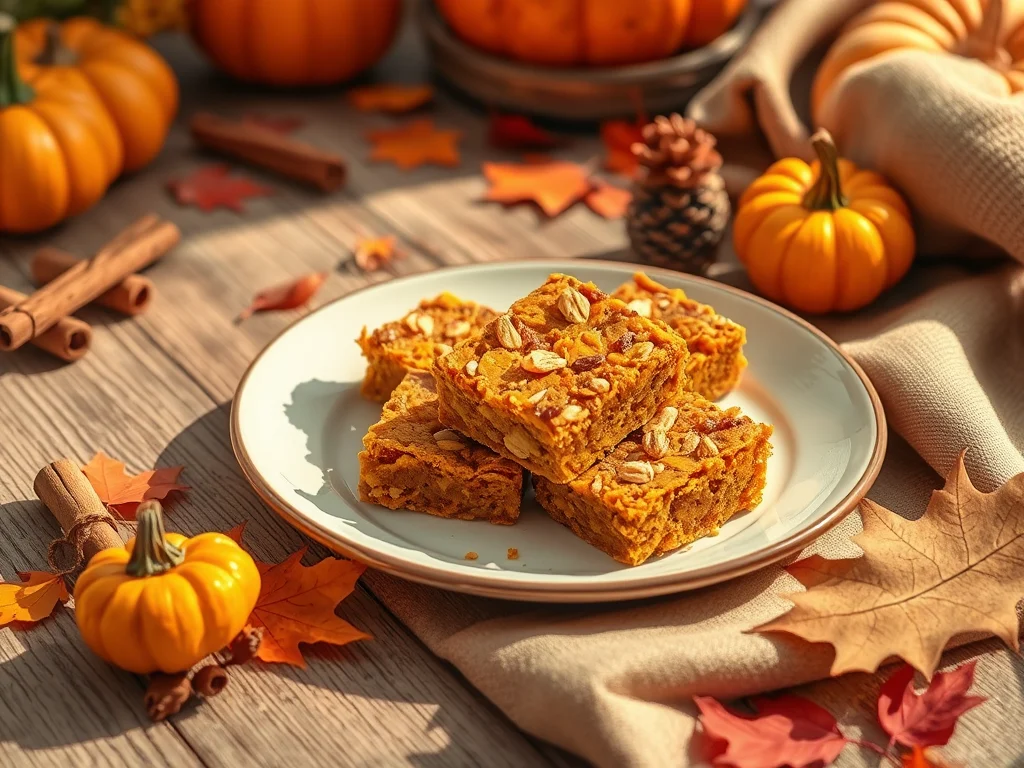
    Healthy Pumpkin Bars: A Simple and Nutritious Fall Treat


    Skip Ahead


    Introduction: Celebrating Fall with Healthy Pumpkin Bars

    Fall is all about comfort, warmth, and the delicious taste of pumpkin desserts. Every year, as leaves turn and cooler weather returns, the search for autumn treats begins. This healthy pumpkin bars recipe lets you enjoy those classic fall flavors in a wholesome way. These bars use smart ingredient swaps for a nourishing, moist, and flavorful treat. Not only are they easy to make, but they are also perfect for breakfast, snacks, or dessert. The best part? You get the iconic taste of spiced pumpkin, but with fewer calories and more nutrients than traditional bars. If you’re looking to make a better choice this season, these healthy pumpkin bars are ready for your table.


    The Tradition of Pumpkin Desserts in Fall

    Pumpkin desserts have deep roots in American kitchens, especially during fall harvest festivals. Early American settlers often relied on pumpkins as both a staple food and as an ingredient for sweet treats. Colonists made pumpkin pies with simple, rustic techniques using local crops. Over time, pumpkin desserts evolved, becoming central to Thanksgiving celebrations and autumn meals.

    Pumpkin was originally grown by Native Americans for thousands of years. It made its way into colonial society as a symbol of the harvest. Today, pumpkins symbolize fall itself. Pumpkin pie, quick breads, cookies, and bars are everywhere as soon as the air turns crisp. These dishes not only recall tradition but also bring a sense of comfort and festivity to kitchens everywhere.

    Modern pumpkin treats go beyond pies. Now you’ll find muffins, cookies, lattes, and bars. Each treat brings cinnamon, nutmeg, and ginger to the table. Healthy pumpkin bars are just the latest in a long line of these time-honored comfort foods. With every bite, you taste fall history. This fits today’s want for nourishing and practical desserts.


    Why Try Healthy Pumpkin Bars?

    Healthy pumpkin bars are more than just a sweet snack. They blend the beloved flavors of pumpkin and spice with smart nutrition. Instead of refined flour and white sugar, this recipe uses whole wheat or alternative flours. It also swaps refined sugar for pure maple syrup or honey. Each bar is moist, packed with vitamin-rich pumpkin puree, and has extra protein from Greek yogurt or nut butters. The result is a treat that both kids and adults love. It is perfect for lunchboxes, snack time, or as an after-dinner comfort food.

    Many traditional bars are loaded with sugar and fat. Healthy versions keep the cozy pumpkin taste but use fewer processed ingredients. Eating better doesn’t mean missing out on the joys of fall baking. You can have both flavor and nutrition in every slice.


    Ingredient Substitutions for Healthier Pumpkin Bars

    Healthy pumpkin bars succeed when you swap standard ingredients for better ones:

    • Natural Sweeteners: Replace white or brown sugar with pure maple syrup, honey, or coconut sugar. These add moisture and a subtle sweetness without refined sugars.
    • Pumpkin Puree: Always use 100% pure pumpkin (not pumpkin pie filling). The natural puree is high in vitamin A and fiber.
    • Greek Yogurt or Nut Butter: Use plain Greek yogurt for extra moisture and protein. For a dairy-free alternative, substitute almond or cashew butter. Both add creaminess without needing oil or butter.
    • Milk Options: Use almond, oat, or regular dairy milk. Plant milks lower calories and keep the bars light.
    • Eggs or Flax Eggs: Add eggs to bind the bars. For a vegan recipe, replace each egg with one “flax egg.” Mix 1 tablespoon ground flaxseed with 3 tablespoons water. Let it sit for a few minutes.
    • Oil: Use only a tablespoon or two of coconut oil or skip it entirely in some recipes. The pumpkin, applesauce, and yogurt cover the moistness you need.
    • Spices: Choose pumpkin pie spice, cinnamon, nutmeg, and ginger. Homemade pumpkin pie spice is easy using those four ingredients.

    Recipe for Healthy Pumpkin Bars

    Ingredients

    • ½ cup almond flour
    • 1 teaspoon baking powder
    • ½ teaspoon baking soda
    • 2 teaspoons pumpkin pie spice
    • 1 teaspoon ground cinnamon
    • ¼ teaspoon salt
    • 1 cup pure pumpkin puree (not pumpkin pie filling)
    • ½ cup Greek yogurt (or thick dairy-free yogurt, or ½ cup almond butter for vegan option)
    • ⅓ cup unsweetened applesauce (adds moisture)
    • 2 large eggs (or 2 flax eggs for vegan: 2 tablespoons ground flaxseed with 6 tablespoons water)
    • ⅓ cup pure maple syrup (or honey, agave, or coconut sugar)
    • 1 tablespoon coconut oil (melted, optional)
    • 1 teaspoon pure vanilla extract
    • ½ cup optional dark chocolate chips or chopped walnuts

    Optional frosting:

    • 4 ounces light cream cheese (or vegan cream cheese)
    • 2 tablespoons maple syrup or honey
    • 1 teaspoon vanilla extract
    • 1 tablespoon milk of choice (to thin, if needed)

    Each of these ingredients was selected to maximize nutrition while keeping the bars tender and packed with flavor. You can adjust the sweetener to taste or add a handful of chopped pecans for crunch. Leaving out the chocolate chips lowers sugar even more, but keeps the bars equally delicious.


    Instructions

    1. Preheat your oven. Set it to 350°F (175°C). Line an 8×8 or 9×9 inch square pan with parchment paper or use light cooking spray.
    2. Mix dry ingredients. In a large bowl, stir together the whole wheat flour and almond flour. Add baking powder, baking soda, pumpkin pie spice, cinnamon, and salt to the mixture.
    3. Whisk wet ingredients. In a medium bowl, mix pumpkin puree, Greek yogurt (or almond butter), and applesauce. Stir in eggs (or flax eggs), maple syrup, coconut oil, and vanilla extract. Mix until smooth.
    4. Combine mixtures. Pour the wet ingredients into the dry bowl. Gently stir until just blended. Do not overmix.
    5. Add extras. If using, fold in chocolate chips or chopped nuts now.
    6. Pour and spread. Pour the batter into your lined pan. Use a spatula to smooth the top.
    7. Bake. Place in the oven and bake for 28–32 minutes. The bars are done when a toothpick comes out clean or with a few crumbs.
    8. Cool. Let the bars cool in the pan on a wire rack for at least 30 minutes.
    9. Prepare the frosting. For optional frosting, beat the cream cheese, maple syrup, and vanilla with a hand mixer until smooth and fluffy. Thin with milk if needed.
    10. Frost and serve. Once the bars are cool, spread the frosting over the top. Cut into squares and enjoy.

    If you refrigerate the bars, the flavor deepens and the texture becomes even better. Store them in an airtight container in the fridge for up to 5 days, or freeze for longer.


    Nutrition Facts (per bar, makes 12 bars)

    • Calories: ~140
    • Total fat: 4g
    • Saturated fat: 1g
    • Carbohydrates: 21g
    • Fiber: 3g
    • Sugar: 7g (mostly natural)
    • Protein: 4g
    • Sodium: 160mg

    These numbers can vary depending on exact ingredients and serving size. These are good for most healthy diets. They are low in saturated fat, sugar, and calories. They are high in nutrients from pumpkin and whole grains.


    Helpful Tips and Ingredient Substitution

    • Flours: Oat flour makes the bars gluten-free and adds extra fiber. Almond flour adds healthy fats and a tender crumb.
    • Sweeteners: For a lower sugar bar, use a little monk fruit sweetener. Stevia or erythritol can work, but alter the taste and texture slightly.
    • Spices: Pumpkin pie spice can be swapped for a mix of cinnamon, nutmeg, ginger, and allspice.
    • Egg-Free: Flax eggs blend in well and keep the bars soft and moist, making the bars vegan-friendly.
    • Yogurt-Free: Use creamy almond or sunflower butter for extra richness if you avoid dairy.
    • Nuts: Add chopped walnuts or pecans for healthy crunch and omega-3 fats.
    • Nut-Free: Skip the almond flour for more oat or whole wheat flour. Use sunflower seed butter instead of almond butter in vegan versions.

    Helpful Resources


    Conclusion

    Healthy pumpkin bars deliver cozy fall flavor and smart nutrition together. With simple ingredients and easy steps, anyone can bake these bars. By using wholesome flours, natural sweeteners, and smart add-ins, you get a snack that feels indulgent yet supports your healthy habits.

    Whether you’re a home baker or a content creator, these healthy pumpkin bars will become your new seasonal staple. Their rich color, gentle spice, and moist crumb remind you of autumn’s best days—without any of the guilt or heaviness of old-fashioned recipes.

  • Authentic Filipino Chicken Adobo Recipe

    Authentic Filipino Chicken Adobo Recipe

    Authentic Filipino Chicken Adobo Recipe

    Serves 6 Prep Time: 15 mins Cook Time: 45 mins

    Learn how to make authentic Filipino Chicken Adobo served with nutty brown jasmine rice. This easy one-pot comfort food is rich in flavor, packed with nutrients, and perfect for meal prep or family dinners.


    Skip Ahead


    Ingredients

    For the Chicken Adobo

    • 3 lbs chicken thighs and drumsticks (bone-in, skin-on for depth of flavor)
    • ½ cup low-sodium soy sauce
    • ½ cup rice vinegar (or white vinegar)
    • 1 head garlic, peeled and crushed (about 12 cloves)
    • 3 bay leaves
    • 1 tbsp whole black peppercorns
    • 2 tbsp brown sugar
    • 1 large onion, sliced
    • 2 tbsp vegetable oil
    • 1 cup water
    • 2 green onions, chopped (for garnish)

    For the Brown Rice

    • 2 cups brown jasmine rice
    • 3½ cups water
    • 1 tsp salt
    • 1 tbsp butter or coconut oil

    Directions

    Prepare the Rice

    1. Rinse rice until water runs clear.
    2. In a medium saucepan, combine rice, water, and salt.
    3. Bring to a boil, then reduce heat to low. Cover and simmer for 45 minutes.
    4. Let stand for 10 minutes, then fluff with a fork.

    Make the Adobo

    1. Marinate chicken: Combine chicken, soy sauce, vinegar, half the garlic, bay leaves, and peppercorns. Let sit for 30 minutes.
    2. Sear chicken: Heat oil in a Dutch oven. Remove chicken from marinade (reserve liquid) and brown all sides (8–10 mins).
    3. Add aromatics: Stir in onions and remaining garlic. Cook until fragrant (2–3 mins).
    4. Simmer: Add reserved marinade, brown sugar, and water. Bring to a boil, then reduce heat. Cover and simmer for 25–30 mins.
    5. Reduce sauce: Uncover and cook 10–15 mins more until sauce thickens.
    6. Serve: Remove bay leaves. Plate chicken over brown rice and garnish with green onions.

    Nutritional Information (Per Serving)

    Key Vitamins & Minerals

    • Vitamin B6: 25% DV
    • Niacin (B3): 65% DV
    • Selenium: 45% DV
    • Phosphorus: 35% DV
    • Iron: 15% DV
    • Zinc: 20% DV
    • Manganese: 88% DV
    • Magnesium: 18% DV
    • Thiamin (B1): 12% DV

    Three Complementary Side Dishes

    1. Atchara (Filipino Pickled Papaya Slaw)

    A tangy slaw made with green papaya, carrots, and bell peppers. Adds crunch, probiotics, and contrast.

    2. Ginisang Kangkong (Sautéed Water Spinach)

    Quick stir-fried greens with garlic and soy sauce. Rich in iron and vitamin A.

    3. Lumpiang Sariwa (Fresh Spring Rolls)

    Soft crepes filled with fresh veggies and peanut sauce. Adds texture and plant-based nutrients.


    Chef’s Tips & Cultural Notes

    • Use bone-in, skin-on chicken for authentic flavor.
    • Filipino cane vinegar is ideal, but rice or white vinegar works too.
    • Adjust soy sauce and vinegar to taste—some regions prefer tangier adobo.
    • Remove skin after cooking for a leaner dish.
    • Adobo improves with time—store leftovers for deeper flavor.
    • Regional twists include coconut milk, potatoes, or boiled eggs.

    Why This Appeals to the Masses

    Filipino Chicken Adobo is a globally loved comfort food. It’s savory, tangy, slightly sweet, and deeply aromatic. The cooking method is simple, and the dish is ideal for batch cooking, family meals, or cultural exploration. Pairing it with brown rice adds fiber and whole grain nutrition, making it a balanced and satisfying meal.

    For more Filipino recipes, visit Panlasang Pinoy or explore Asian comfort food ideas.

  • Refreshing Summer Salad Recipe

    Refreshing Summer Salad Recipe

    Refreshing summer salad recipe

    Easy to Prepare, Delicious, and Healthy

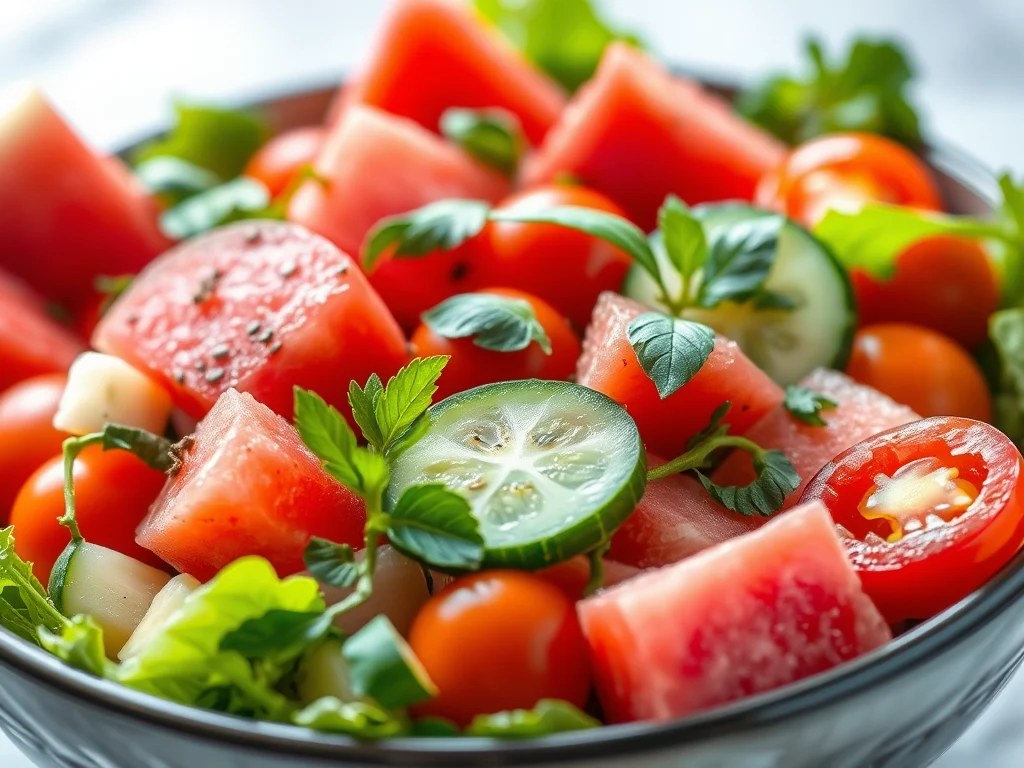
    This refreshing summer salad recipe is the perfect way to celebrate the season’s bounty. It is packed with crisp summer greens and fresh herbs. A zesty citrus dressing enhances its flavor. It’s vegan and gluten-free, making it a nourishing choice for any diet. Host a backyard gathering with it. Crave a light and healthy lunch? This easy summer salad delivers flavor and texture. It offers wellness in every bite., and suitable for most diets, making it a reliable crowd-pleaser.


    Skip Ahead


    Why You’ll Love This Refreshing Summer Salad recipe

    This salad is more than just a side. It can be served as a light lunch, a refreshing dinner, or even a healthy party dish. The crunchy vegetables offer lasting satisfaction, while the protein keeps you fueled all afternoon. Moreover, the zesty lemon-mint dressing delivers a burst of flavor with almost no added fat. Every bite is cooling, revitalizing, and nutritionally balanced.

    • Every ingredient adds both visual appeal and nutritional value.
    • The dressing is easy to adjust for different tastes and dietary needs.
    • Transitions between ingredients and steps guarantee smooth prep.
    • This dish holds up beautifully even after sitting out, making it great for gatherings or lunchboxes.

    Shopping List

    • 1 cup cooked chickpeas (drained and rinsed if canned)
    • 1 small seedless cucumber
    • 1 cup watermelon (diced)
    • 1 cup cherry tomatoes (quartered)
    • ½ large yellow bell pepper, or any sweet variety
    • ½ cup fresh mint leaves
    • ¼ cup fresh flat-leaf parsley
    • ¼ cup thinly sliced red onion
    • ¼ cup sliced radishes
    • Zest and juice of 1 medium lemon
    • 1½ tbsp extra-virgin olive oil
    • 2 tsp maple syrup or honey
    • 1 tsp Dijon mustard
    • ½ tsp sea salt, plus more to taste
    • ¼ tsp cracked black pepper

    Optional Toppings:

    • 2 tbsp crumbled feta cheese (vegan or regular)
    • 1 tbsp roasted pumpkin seeds
    • Mixed baby greens (as a serving base)

    Ingredient Notes

    • Use fresh, in-season vegetables and fruits for best results. Check local farmer’s markets or USDA’s seasonal produce guides for inspiration.
    • For a protein boost, swap chickpeas with edamame or white beans.
    • Mint and parsley add a bright, herbal note and extra nutrients. You can also try basil or cilantro.
    • The dressing brings together acidity, natural sweetness, and a light creaminess from Dijon.
    • Feta and pumpkin seeds add savory depth and healthy fat, but are optional for plant-based or nut-free diets.

    Cooking Instructions

    Step 1: Prepare Produce

    Wash all veggies and herbs thoroughly. Dice the watermelon into small cubes. Quarter the cherry tomatoes. Slice the cucumber into half-moons and the radishes as thin as possible for extra crunch. Remove seeds and membrane from the bell pepper and dice finely. Thinly slice the red onion. Roughly chop the mint and parsley.

    Quick Tip: If desired, soak the onion slices in ice water for 10 minutes. This will mellow their bite. Then drain the onions before adding.


    Step 2: Mix the Base

    In a large salad bowl, combine:

    • Cooked chickpeas
    • Cucumber slices
    • Tomato quarters
    • Diced watermelon
    • Bell pepper
    • Radishes
    • Red onion

    Add half the mint and parsley, reserving some for garnish.

    Transitioning smoothly, toss ingredients together until well distributed.


    Step 3: Whisk the Dressing

    In a small bowl, whisk together:

    • Lemon zest and juice
    • Olive oil
    • Maple syrup or honey
    • Dijon mustard
    • Sea salt and cracked black pepper

    Taste and adjust, noting that the dressing should taste vibrant and balanced. Set aside.


    Step 4: Combine and Finish

    Pour the dressing over the salad base. Using clean hands or salad utensils, gently toss until all ingredients are coated. Add remaining herbs and toss again.

    Sprinkle optional feta and roasted pumpkin seeds over the top.

    Before serving, let the salad stand for five minutes at room temperature. This allows the flavors to meld while the vegetables stay crisp.


    Serving & Presentation

    To serve, divide the salad into two large bowls or four small plates. If you wish, lay a bed of mixed greens first and heap the salad on top. Chill the salad for 10 minutes before serving. Enjoy it right away with crusty whole-grain bread for immediate enjoyment.

    For gatherings, present in a wide, shallow bowl garnished with extra mint and a few radish slices. This salad travels well, stays crisp for hours, and makes a perfect addition to potlucks or picnics.


    Substitutions & Variations

    • Protein boost: Add a scoop of cooked quinoa or grilled shrimp for a heartier entrée.
    • Fruit swaps: Substitute watermelon with cantaloupe, strawberries, or even sliced grapes.
    • Greens: Add arugula, spinach, or kale for deeper flavor and added nutrients.
    • Spicy kick: Sprinkle in some thinly sliced fresh jalapeño or add a dash of cayenne to the dressing.
    • Dairy-free: Omit feta or use a vegan substitute for a fully plant-based salad.

    If preparing ahead, store the salad and dressing separately, then toss together just before serving.


    Nutritional Information

    Here’s the nutrition breakdown per serving (without optional feta or pumpkin seeds). Calculations are based on USDA FoodData Central averages for key ingredients and double-checked with common online analyzers.

    Nutritional Information (per serving):

    • Calories: ~250 kcal
    • Protein: 8 g
    • Carbohydrates: 35 g
    • Dietary Fiber: 8 g
    • Total Fat: 7 g
    • Saturated Fat: <1 g
    • Sugars: 12 g (naturally occurring)
    • Sodium: 340 mg
    • Cholesterol: 0 mg

    Vitamin and Mineral Content

    Each serving provides 20–40% of daily vitamin C, plus steady doses of the following:

    Vitamin and Mineral Content (per serving):

    • Vitamin C: ~26 mg (22–35% DV)
    • Vitamin A: ~1000 IU (20% DV)
    • Folate: ~80 mcg (20% DV)
    • Potassium: ~750 mg (15–18% DV)
    • Iron: ~2.2 mg (12% DV)
    • Magnesium: ~60 mg (15% DV)
    • Calcium: ~75 mg (6% DV)
    • Vitamin K: ~40 mcg (33% DV)
    • Vitamin B6: ~0.25 mg (19% DV)

    DV = Daily Value, for adults based on a 2,000 calorie diet.


    FAQs & Storage Tips

    Can I make this Refreshing Summer Salad Recipe ahead?

    You can chop the veggies, except for tomatoes and watermelon. Store them in an airtight container for up to 24 hours. For best texture, add tomatoes, watermelon, and dressing just before serving.

    Can I use dried herbs?

    Fresh herbs are recommended for flavor and texture. You can substitute 1 tsp dried mint and 1 tsp dried parsley if needed. Fresh is best for color and aroma.

    How long does it keep once assembled?

    If dressed, this salad stays fresh for about four hours refrigerated before the vegetables start to soften. For best crunch, keep the dressing separate and toss just before eating.

    Is it gluten-free and vegan?

    Yes, as written, the recipe is naturally gluten-free and vegan. Use maple syrup instead of honey. Omit feta or use a vegan version.


    External Resources


    Enjoy this light and vibrant summer salad. Feel good knowing every ingredient brings both taste and wellness in every bite!


    Learn about why organics vs. synthetic ingredients matter and why your body knows the difference. Click here!

    To learn more about Organic Vitality Wellness, visit our blog homepage.


    Subscribe for more recipes and informative wellness articles

    Shop natural, organic products at Organic Vitality Wellness

    Don’t just live, Thrive!

  • Mediterranean pork tenderloin recipe

    Mediterranean pork tenderloin recipe

    Mediterranean Pork Tenderloin Recipe

    Elevate your dinner table with this Mediterranean pork tenderloin recipe. It is a vibrant, protein-rich dish. It celebrates clean eating and bold flavor. Moreover, this tenderloin is infused with naturally sourced herbs like rosemary, thyme, and oregano, which add depth and aroma. In addition, it’s a nod to the heart-healthy traditions of Mediterranean cuisine, known for its balance and vitality. As a result, you get a simple yet elegant pork recipe that supports your wellness journey without sacrificing indulgence.

    Whether you’re embracing a low-carb lifestyle, exploring anti-inflammatory ingredients, or simply craving something deeply satisfying, this herb-crusted pork tenderloin delivers. For example, its crisp crust, juicy center, and aromatic profile make it ideal for both weeknight meals and special gatherings. Ultimately, it’s a dish that brings nourishment and pleasure to the same plate.

    I hope you enjoy this Mediterranean pork tenderloin recipe. May it inspire more flavorful cooking in your kitchen. I also hope it encourages intentional cooking.


    Skip to:


    Ingredients

    Healthy Pork Recipe Ingredients

    For the Pork:

    • 2 pork tenderloins (about 1 lb each), trimmed
    • 3 tablespoons extra virgin olive oil, divided
    • 3 cloves garlic, minced
    • 2 tablespoons fresh rosemary, finely chopped
    • 2 tablespoons fresh thyme leaves
    • 1 tablespoon fresh oregano (or 1 teaspoon dried)
    • Zest of 1 large lemon
    • 2 tablespoons lemon juice
    • 1 teaspoon sea salt
    • 1/2 teaspoon black pepper

    For the Roasted Vegetables:

    Roasted Vegetables for the Healthy Pork Tenderloin Recipe
    • 1 medium zucchini, sliced into half-moons
    • 1 red bell pepper, cut into strips
    • 1 yellow bell pepper, cut into strips
    • 1 red onion, cut into wedges
    • 1 cup cherry tomatoes, halved
    • 2 tablespoons olive oil
    • 1/2 teaspoon salt
    • 1/4 teaspoon black pepper

    For Serving:

    • 1 cup cooked quinoa
    • Fresh lemon wedges
    • Extra fresh herbs for garnish

    Instructions:

    • Preheat and Prepare: Preheat oven to 425°F (220°C). Line a large baking sheet with parchment paper.
    • Make the Herb Crust: In a small bowl, combine 2 tablespoons olive oil and minced garlic. Add rosemary, thyme, and oregano. Then include lemon zest and lemon juice. Finally, season with salt and pepper. Mix until it forms a paste.
    • Prepare the Pork: Pat pork tenderloins dry with paper towels. Heat remaining 1 tablespoon olive oil in a large oven-safe skillet over medium-high heat. Sear the pork tenderloins on all sides until golden brown, about 2-3 minutes per side.
    • Apply the Herb Crust: Remove skillet from heat. Spread the herb mixture evenly over the top and sides of both tenderloins, pressing gently to adhere.
    • Prepare Vegetables: Toss all vegetables with olive oil, salt, and pepper. Arrange on the prepared baking sheet.
    • Roast Together: Place the skillet with pork and the baking sheet with vegetables in the oven. Roast for 12-15 minutes, or until pork reaches an internal temperature of 145°F (63°C).
    • Rest and Serve: Remove pork from oven and let rest for 5 minutes before slicing. Slice into 1/2-inch thick medallions and serve over quinoa with the roasted vegetables. Garnish with fresh herbs and lemon wedges.
    Healthy Pork Recipe plated and ready to serve on dish

    Chef’s Tips:

    • Use a meat thermometer for perfectly cooked pork – it should reach 145°F internal temperature
    • Let the meat rest after cooking to guarantee juicy, tender results
    • Save any pan juices to drizzle over the finished dish
    • This herb crust works beautifully on chicken breast or fish as well

    Suggested Sides and Pairings

    These suggestions all pair nicely with our Mediterranean pork tenderloin recipe.

    Side Dishes

    Lemon-Herb Couscous with Toasted Pine Nuts

    A light, fluffy grain with a nutty crunch and citrus brightness to echo the lemon in the pork marinade.

    • Add chopped parsley, mint, and a drizzle of olive oil
    • Optional: stir in golden raisins or currants for a sweet contrast
    Cooked lemon-herb couscous garnished with fresh herbs and pine nuts in a bowl.

    Wilted Greens with Garlic and Olive Oil

    Sautéed spinach, kale, or Swiss chard with garlic and a splash of lemon juice.

    • Adds a warm, earthy note and boosts the anti-inflammatory profile
    • Finish with a sprinkle of crushed red pepper for gentle heat
    A white plate filled with sautéed kale topped with sliced almonds, placed on a textured blue and green napkin.

    Roasted Sweet Potato Wedges with Smoked Paprika

    Chickpea Salad (click for recipe)

    Beverage Suggestions

    • White Wine: A crisp Sauvignon Blanc or dry Riesling complements the lemon and herbs
    • Rosé: A dry Mediterranean rosé adds fruitiness without overpowering the dish
    • Sparkling Water with Citrus: Infuse with lemon, cucumber, and mint for a refreshing non-alcoholic choice
    • Herbal Iced Tea: Try a chilled rosemary or hibiscus tea with a splash of lemon
    • Warm Beverage: A ginger-turmeric tonic or golden milk for anti-inflammatory benefits.

    Nutritional Information & Health Benefits

    Nutritional Values (Per Serving)

    • Calories: 385
    •  Protein: 35 g
    • Carbohydrates: 28 g
    • Dietary Fiber: 4 g
    • Total Fat: 16 g
    • Saturated Fat: 3.5 g
    • Monounsaturated Fat: 9 g
    • Cholesterol: 95 mg
    • Sodium: 640 mg
    •  Sugar: 8 g

    Key Vitamins (Per Serving)

    • Vitamin C: 145 mg (161% DV) – primarily from bell peppers and tomatoes
    • Vitamin B1 (Thiamine): 1.2 mg (100% DV) – essential for energy metabolism
    • Vitamin B6: 0.8 mg (47% DV) – supports brain role and protein metabolism
    • Vitamin B12: 0.7 mcg (29% DV) – crucial for nerve role and red blood cell formation
    • Vitamin A: 1,200 IU (24% DV) – important for vision and immune function
    • Folate: 85 mcg (21% DV) – essential for DNA synthesis and cell division
    • Vitamin K: 18 mcg (20% DV) – important for blood clotting and bone health

    Essential Minerals (Per Serving)

    • Selenium: 28 m
    • cg (51% DV) – powerful antioxidant that supports thyroid role
    • Phosphorus: 285 mg (23% DV) – vital for bone and teeth health
    • Potassium: 720 mg (15% DV) – helps regulate blood pressure and heart role
    • Zinc: 3.2 mg (21% DV) – supports immune role and wound healing
    • Iron: 2.1 mg (12% DV) – essential for oxygen transport in blood
    • Magnesium: 45 mg (11% DV) – important for muscle and nerve activity
    • Copper: 0.2 mg (22% DV) – aids in iron absorption and collagen formation

    Health Benefits Highlights

    Lean Protein Powerhouse: Pork tenderloin is one of the leanest cuts of pork. It gives high-quality whole protein. This protein includes all essential amino acids needed for muscle maintenance and growth.
    Heart-Healthy Fats: The olive oil and quinoa offer beneficial monounsaturated fats and omega-3 fatty acids that support cardiovascular health.

    Antioxidant Rich: The colorful vegetables and fresh herbs deliver antioxidants in various forms. These include lycopene from tomatoes, beta-carotene from bell peppers, and polyphenols from herbs.
    Blood Sugar Friendly: The combination of lean protein, healthy fats, and fiber-rich vegetables aids in maintaining stable blood sugar levels. Including quinoa helps as well.

    Immune Support: High vitamin C content along with zinc and selenium offer robust immune system support.

    Learn about why organics vs. synthetic ingredients matter and why your body knows the difference. Click here!

    To learn more about Organic Vitality Wellness, visit our blog homepage.

    Don’t just live, Thrive!